Tag: Language: English

  • What Is Neodymium? A Supply Chain Framework for the Magnet Metal Behind EVs and Wind

    What Is Neodymium? A Supply Chain Framework for the Magnet Metal Behind EVs and Wind

    In day-to-day manufacturing reviews, neodymium rarely appears first as a polished metal sample. It usually appears as NdPr oxide feed availability, metal conversion capacity, magnet grade qualification, and thermal requirements inside a traction motor or wind generator. That operating context explains why the question “what is neodymium” is wider than a chemistry definition. In industrial terms, neodymium is the rare earth element best known for enabling high-performance permanent magnets, and its importance comes from the chain around it: separated oxides, refined metal, alloy production, finished NdFeB magnet output, and then the motor, generator, sensor, or actuator that turns material science into usable force.

    • Commercial relevance usually sits in NdPr oxide, metal conversion, and NdFeB magnet manufacturing rather than in pure neodymium metal alone.
    • A common point of confusion is the difference between NdPr oxide, neodymium metal, and the finished neodymium magnet; each sits at a different supply-chain stage.
    • EV traction motors and direct-drive wind turbines concentrate demand because they value compact, high-torque permanent magnets.
    • Observed failure modes often come from downstream bottlenecks such as separation, metal-making, heavy rare earth additions, and magnet qualification rather than from mine output alone.

    What neodymium is in industrial terms

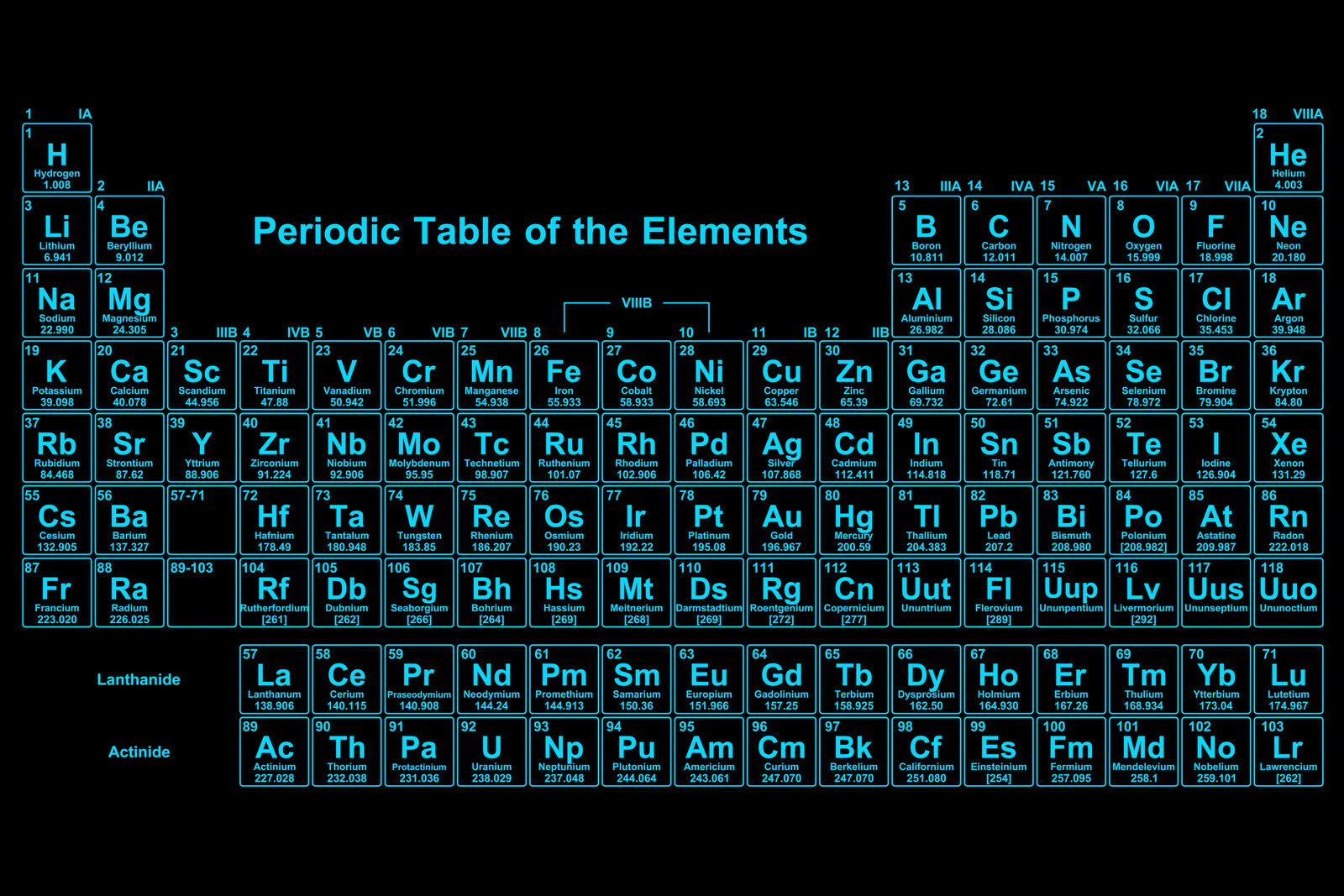
    Neodymium, symbol Nd and atomic number 60, is a lanthanide rare earth element. In physical terms it is a soft, silvery metal, but that description only captures a small part of its commercial role. The industrial significance of neodymium comes from magnet performance. When combined with iron and boron in the NdFeB system, it helps create the strongest widely used permanent magnets in modern manufacturing.

    A recurring discovery in supply-chain discussions is that “rare earth availability” and “magnet availability” are not the same thing. Ore bodies may be described in TREO, or total rare earth oxides, yet a high TREO figure does not automatically translate into a strong neodymium or praseodymium output profile. Another discovery is that neodymium is often discussed as a stand-alone metal even though many commercial transactions and plant configurations are organized around intermediates and alloys rather than around pure metal inventories.

    Where the commercial value sits: NdPr oxide, metal, and finished magnets

    For most readers asking what is neodymium, the most useful clarification is that the supply chain has several distinct material forms.

    • NdPr oxide is the separated rare earth oxide stream that usually contains neodymium and praseodymium together. In practical market terms, this is the main feedstock used in magnet supply chains.
    • Neodymium metal is the refined metal form used in downstream alloying and specialty applications. It sits further along the chain and reflects metallization capability, not just mine or separation output.
    • NdFeB magnets are the finished magnetic materials made from neodymium, iron, and boron, often with small additions of dysprosium or terbium in higher-temperature grades.

    This distinction matters because a disruption at one stage does not always appear at another stage immediately. An operation can have mine output and still lack separated NdPr oxide. Another operation can have oxide but lack metal conversion or alloying capacity. A motor producer can have access to magnets yet remain exposed to a narrow set of qualified grades or coatings. In practice, the phrase “neodymium supply” often compresses several bottlenecks into one label, even though the stress point may sit in separation chemistry, metallization, or magnet finishing.

    NdFeB magnet basics: why a neodymium magnet is not just “a strong magnet”

    The standard industrial magnet family here is NdFeB, short for neodymium-iron-boron. The magnetic phase is commonly associated with Nd2Fe14B, which gives the material its very high magnetic strength relative to size. That strength-to-volume advantage is the reason a neodymium magnet has become central in compact motors, actuators, speakers, robotics, and automation systems.

    Two production routes dominate commercial discussions.

    • Sintered NdFeB is produced through powder metallurgy. It generally delivers the highest magnetic performance and is the form most closely associated with demanding applications such as EV traction motors and many permanent-magnet generator designs.
    • Bonded NdFeB mixes magnetic powder with a polymer binder and shapes it by molding or similar routes. It is useful where design flexibility and complex geometries matter, but its magnetic performance is usually lower than sintered material.

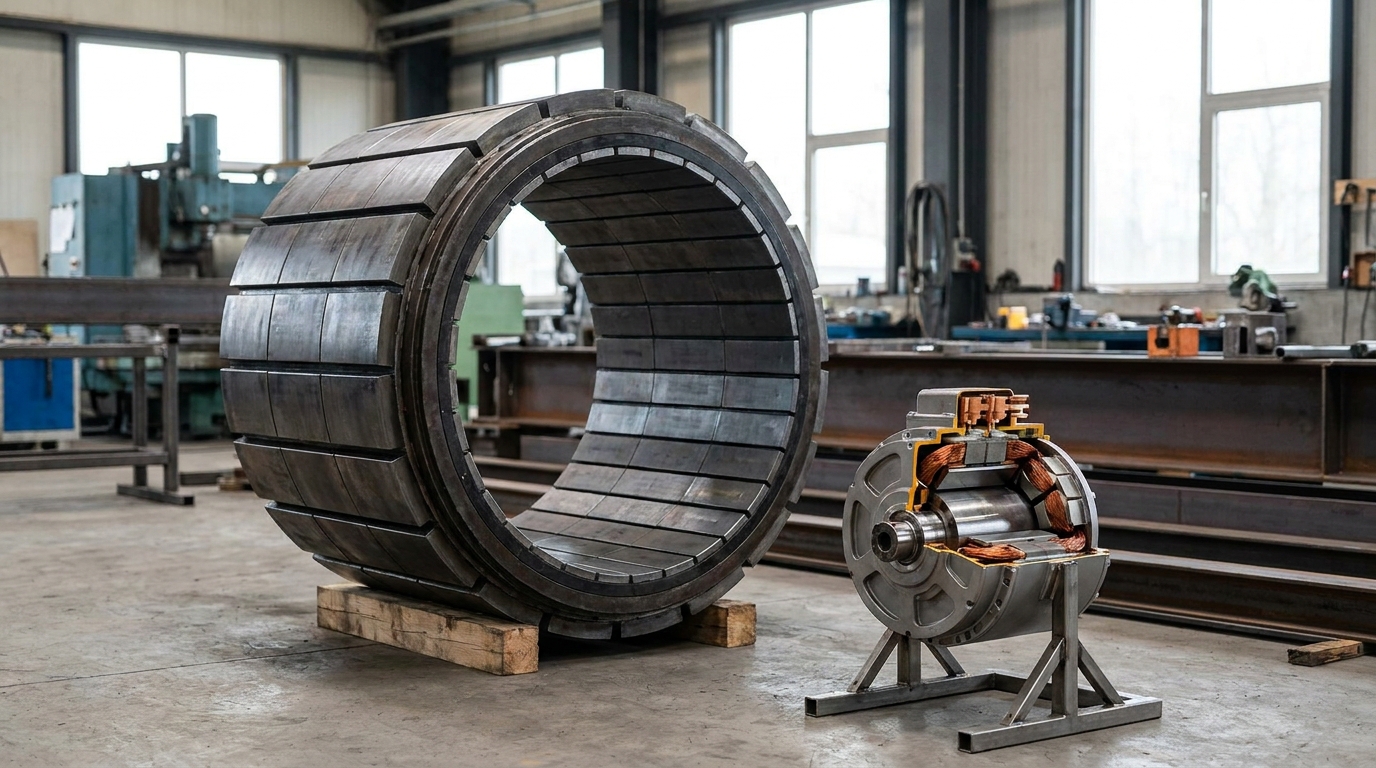
    That sintered-versus-bonded distinction is important because public discussion often treats all neodymium magnets as interchangeable. In real industrial use, they are not. A bonded magnet used in a compact sensor or automotive auxiliary system does not solve the same engineering problem as a sintered magnet in a high-performance traction motor. The end-use sector so shapes the relevant supply-chain risk: powder characteristics, thermal behavior, coating quality, and high-temperature rare earth additions can matter as much as raw oxide availability.

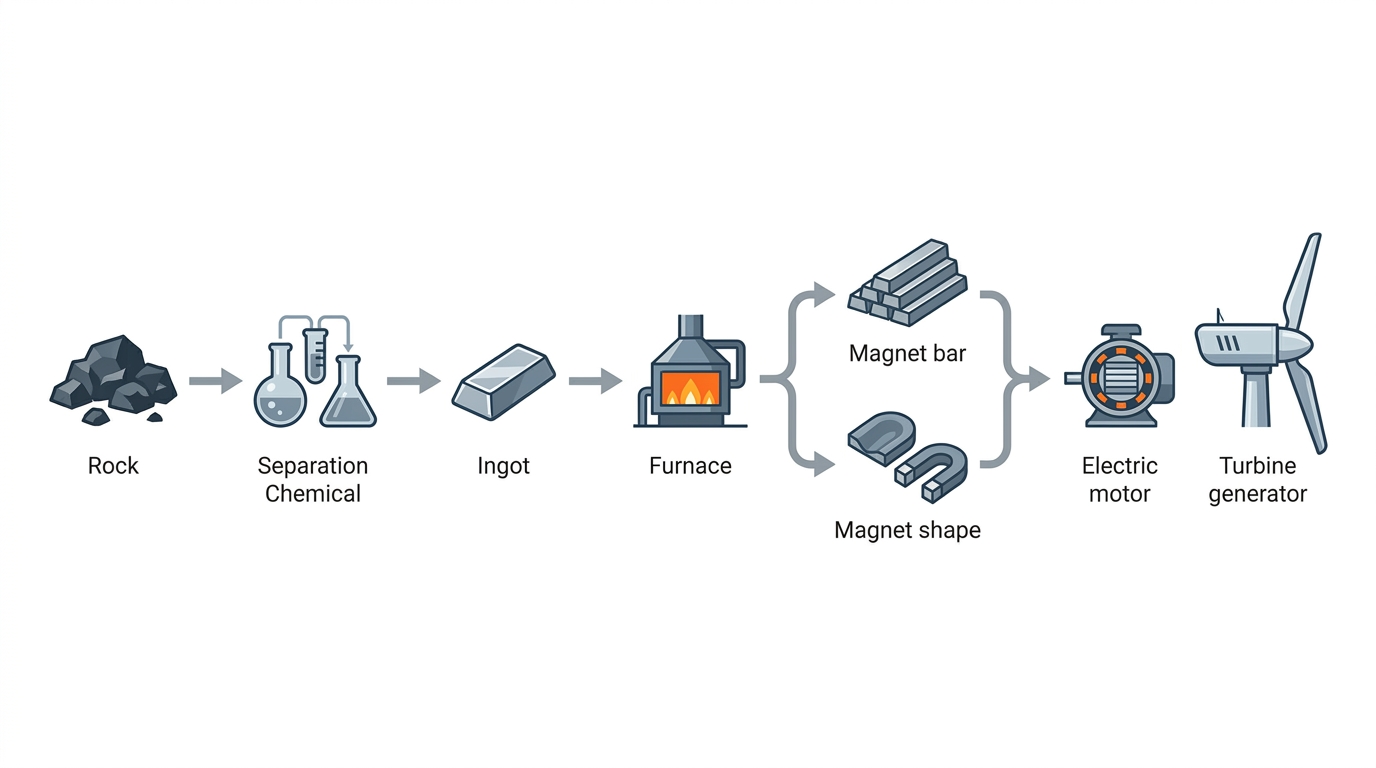
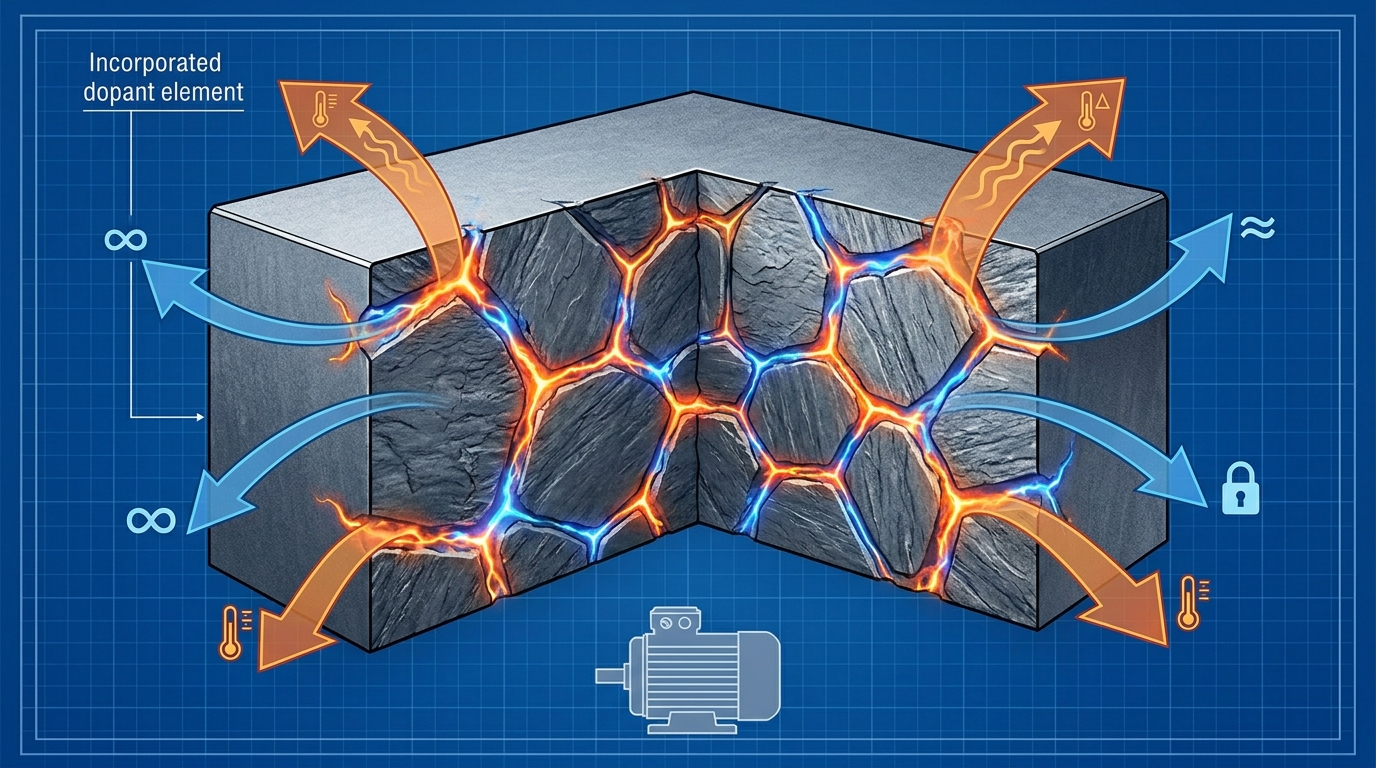
    How NdFeB magnets are built for high-performance motors and generators.
    How NdFeB magnets are built for high-performance motors and generators.

    Neodymium uses: from electronics to heavy industrial systems

    The simplest answer to “what is neodymium used for?” is that it is used primarily in permanent magnets. Those magnets then appear across a very wide range of products. Common neodymium uses include speakers, headphones, hard disk drives, power tools, industrial servomotors, pumps, sensors, actuators, robotics, automation equipment, EV traction motors, and wind turbine generators.

    The scale shift now attracting the most attention comes from electrified transport and renewables. Earlier consumer electronics demand was spread across many small units. EVs and wind, by contrast, concentrate magnet demand into large industrial systems where qualification standards, traceability, thermal margins, and manufacturing consistency become more visible. That is one reason public industrial policy in jurisdictions such as the United States, the European Union, Japan, South Korea, and Australia increasingly treats magnets as a strategic manufacturing input rather than as a niche specialty material.

    Why neodymium is so closely linked to EVs

    The phrase neodymium EV appears so often because many electric vehicles use permanent-magnet motors that value compact size, torque density, and efficiency. In those architectures, NdFeB magnets allow a motor to deliver strong performance in a limited package envelope. That matters in passenger vehicles where mass, space, thermal control, and drive efficiency all interact with vehicle design.

    General industry observations often place rare earth content for an EV traction motor in a range from hundreds of grams to a few kilograms, depending on motor architecture, vehicle size, and whether the platform uses one motor or multiple motors. That is not a universal number. Some EVs use induction or other magnet-light architectures, and magnet formulations can vary depending on praseodymium balance and the use of dysprosium or terbium in higher-temperature grades. Still, the broad pattern is clear: EV demand links neodymium not just to the motor itself, but to a chain of oxide separation, metal conversion, alloying, sintering, machining, coating, and final motor assembly.

    Another recurring discovery is that the phrase “neodymium magnets are in every EV” overstates the case. They are in many EVs, not all EVs. The reason that distinction matters is analytical rather than semantic. A market with several motor architectures behaves differently from a market with only one dominant architecture. Substitution exists, but performance trade-offs and redesign burdens also exist, which is why magnet demand remains structurally important even when alternative motor choices are available.

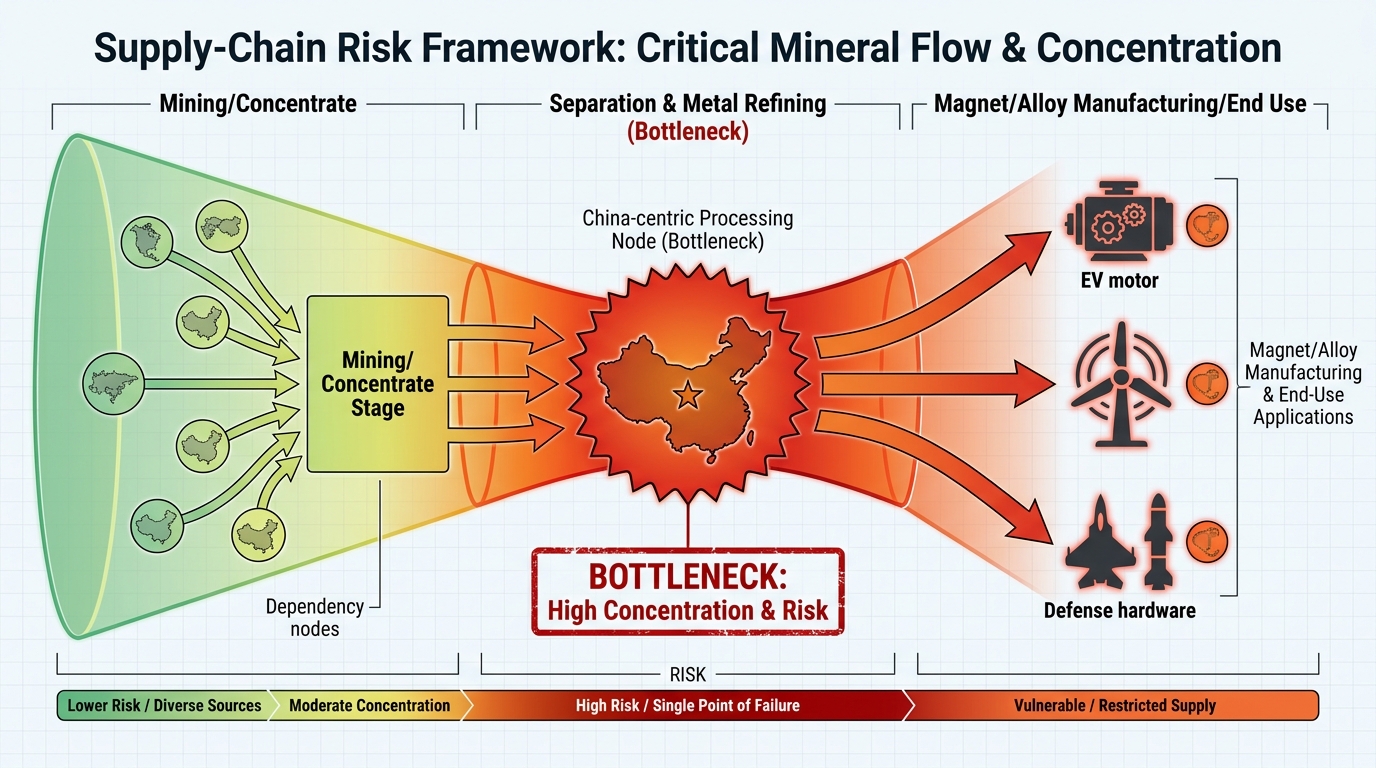
    Neodymium-to-magnet supply chain pathways feeding EVs and wind.
    Neodymium-to-magnet supply chain pathways feeding EVs and wind.

    Wind demand and the special role of direct-drive turbines

    Wind power is the other major demand pillar. Here the central distinction is between geared turbines and direct-drive turbines. Direct-drive designs typically rely more heavily on permanent magnets because they eliminate the gearbox and use a large generator operating at lower rotational speeds. In practical terms, that makes direct-drive installations far more relevant to neodymium demand than a simple count of turbines alone would suggest.

    Public technical discussion varies on exact material intensity because turbine rating, generator design, and supplier choices differ. What remains consistent is the structural effect: direct-drive wind can create large, concentrated orders for magnet material. That concentration changes how demand is felt across the chain. A consumer-electronics market spreads usage across many small units, while a wind program can pull material through alloying and magnet capacity in large project waves.

    Structural supply context: where the real bottlenecks tend to appear

    Neodymium supply risk is often described as a mining story, but in practice it is a processing and manufacturing story as well. The full chain usually includes mining, concentration, cracking and leaching, solvent extraction and separation, NdPr oxide production, metal-making, alloying, magnet manufacturing, and then integration into motors or generators. Each stage has its own technical barriers and qualification demands.

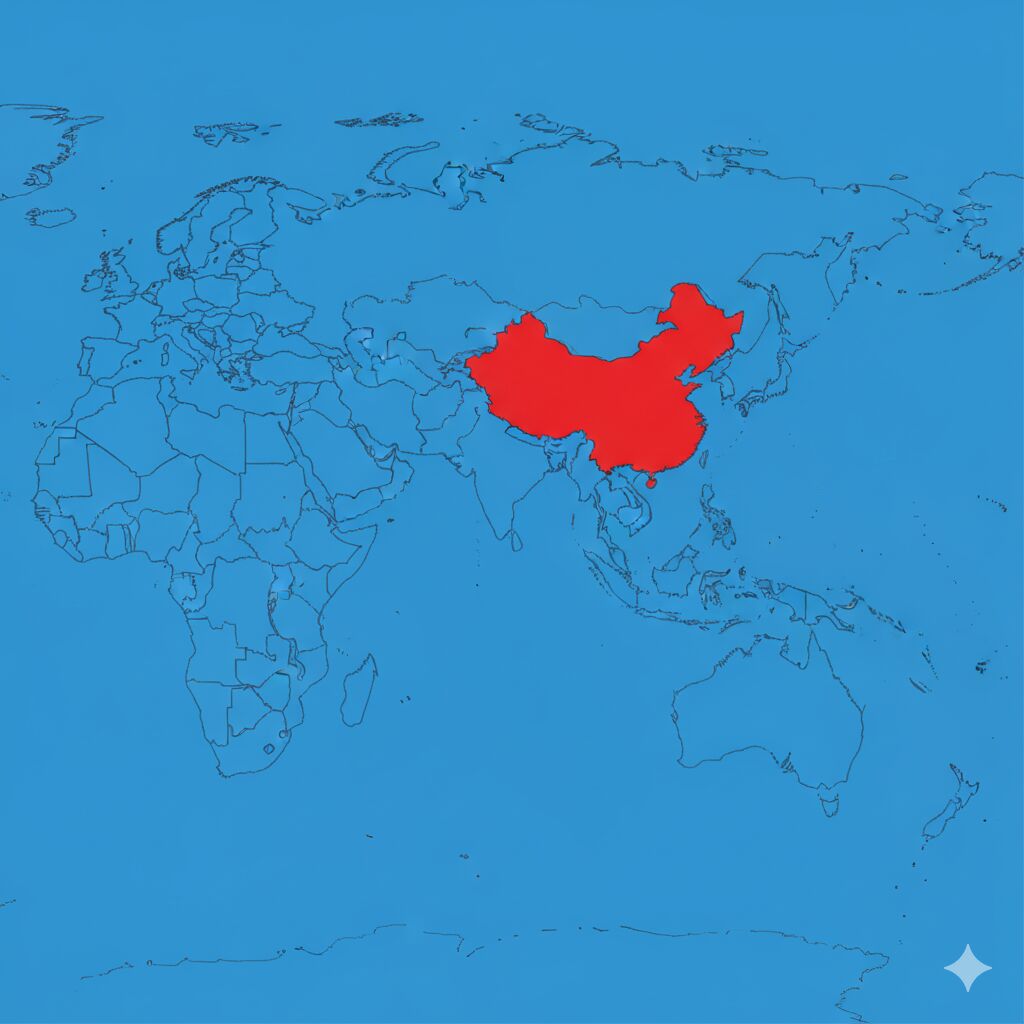
    A frequent public-market observation is the geographic concentration of downstream capability. Mining and concentrate production exist across several jurisdictions, including China, Australia, and the United States. However, separation, metal conversion, alloying, and magnet production have historically remained far more concentrated, especially in China. Japan also retains long-standing materials and magnet expertise, while Europe and North America are major end-demand regions in automotive and energy equipment. One trade pattern that appears repeatedly in public disclosures is material leaving one jurisdiction as concentrate or intermediate, passing through East Asian processing and magnet ecosystems, and then returning to Western manufacturing bases as finished magnet material or integrated components.

    That structure creates several recognizable failure modes. One is the assumption that diversified mine supply automatically equals diversified magnet supply. Another is the belief that oxide availability resolves all downstream exposure, when metallization, high-purity alloy control, sintering, machining, coating, and grade qualification may still be concentrated. A further complication comes from dysprosium and terbium, which are often added to some high-temperature NdFeB grades. In that setting, the neodymium story is not only about neodymium; it is also about access to heavy rare earth inputs that help magnets retain performance under higher thermal loads.

    Real-world context: neodymium magnets inside wind and EV hardware.
    Real-world context: neodymium magnets inside wind and EV hardware.

    Recycling adds a second structural theme. End-of-life magnets from electronics, industrial equipment, EVs, and wind systems represent a potential secondary source, and public discussion increasingly treats recycling as part of long-term supply resilience. Yet recycling has its own constraints: collection, disassembly, contamination control, and processing routes all determine whether magnet scrap becomes reusable feedstock. The operational lesson is that recycling is highly relevant, but it does not erase the complexity of the primary chain.

    Questions that often surface in neodymium coverage

    What is neodymium used for?

    Neodymium is used mainly in permanent magnets, especially NdFeB magnets, which then go into motors, generators, sensors, audio equipment, robotics, automation systems, and many compact high-performance devices. Its commercial importance comes from magnetic performance rather than from broad use of the pure metal by itself.

    Why are neodymium magnets in every EV?

    That phrasing is too broad. Neodymium magnets are in many EVs, not every EV. Where they are used, the logic is straightforward: permanent-magnet motors offer strong torque density and efficient packaging. Where they are not used, an alternative motor architecture usually reflects a different engineering trade-off rather than an absence of demand for high-performance motors.

    How much neodymium does a wind turbine use?

    There is no single number that fits all turbines. Material intensity depends heavily on turbine rating and generator design. The most important analytical distinction is whether the turbine uses a direct-drive permanent-magnet system. Direct-drive designs generally make wind far more relevant to neodymium demand than geared designs do.

    In one sentence, neodymium is a rare earth element whose industrial value comes mainly from enabling NdFeB magnets, and those magnets now sit at the center of many EV, wind, automation, and electronics supply chains. That is why the simplest definition of what is neodymium quickly becomes a broader explanation of processing stages, magnet forms, demand concentration, and manufacturing dependencies.

  • DPA Title III Critical Minerals Funding: How the Pentagon’s Industrial Base Tool Actually Works

    DPA Title III Critical Minerals Funding: How the Pentagon’s Industrial Base Tool Actually Works

    DPA Title III has become a core U.S. mechanism for expanding critical minerals capacity where commercial markets alone have not delivered sufficient domestic or allied supply. The substantive shift is not simply more public funding; it is the use of a national security statute to support mining, processing, separation, refining, and magnet or battery-material capacity through tailored financial instruments rather than standard procurement alone.

    For policy and institutional readers, the significance is structural. Title III is designed to address industrial shortfalls that affect defense readiness and supply-chain resilience. In critical minerals, that usually means support for bottleneck stages of the value chain, especially midstream processing, where the United States has often remained dependent on foreign capacity even when upstream resources exist.

    Key Takeaways

    • DPA Title III is a legal authority under the Defense Production Act used to expand industrial capacity tied to national defense, including critical minerals and related processing.
    • The program can use grants, loans, loan guarantees, purchase commitments, and direct capital support depending on the project structure and the identified supply shortfall.
    • Publicly announced awards show a clear emphasis on downstream and midstream bottlenecks such as rare earth processing, magnets, and battery materials, not only mine development.
    • DoD stated that since mid-2023 it awarded a total of $250 million to twelve recipients using IRA-appropriated funds through the DPA Purchases office for strategic and critical materials tied to battery supply chains.
    • The main execution signals to monitor are permitting progress, construction milestones, qualification of output, compliance conditions, and whether supported projects secure durable non-federal commercial demand.

    What DPA Title III Is

    Title III of the Defense Production Act is the part of the statute focused on domestic industrial base expansion. It is meant for situations where a material, component, or capability is considered important to national defense and the private market is not supplying enough capacity, fast enough, or in the required form. That makes it particularly relevant to critical minerals, where long project lead times, high capital intensity, difficult qualification processes, and concentrated foreign processing can leave major supply gaps unresolved for years.

    In practical terms, Title III is not a conventional purchasing program for finished goods. It is an industrial policy tool that allows the U.S. government, usually through the Department of Defense, to support new capacity creation. The emphasis is often on building or scaling facilities that can convert raw materials into defense-usable products.

    Legal Authority and Trigger Conditions

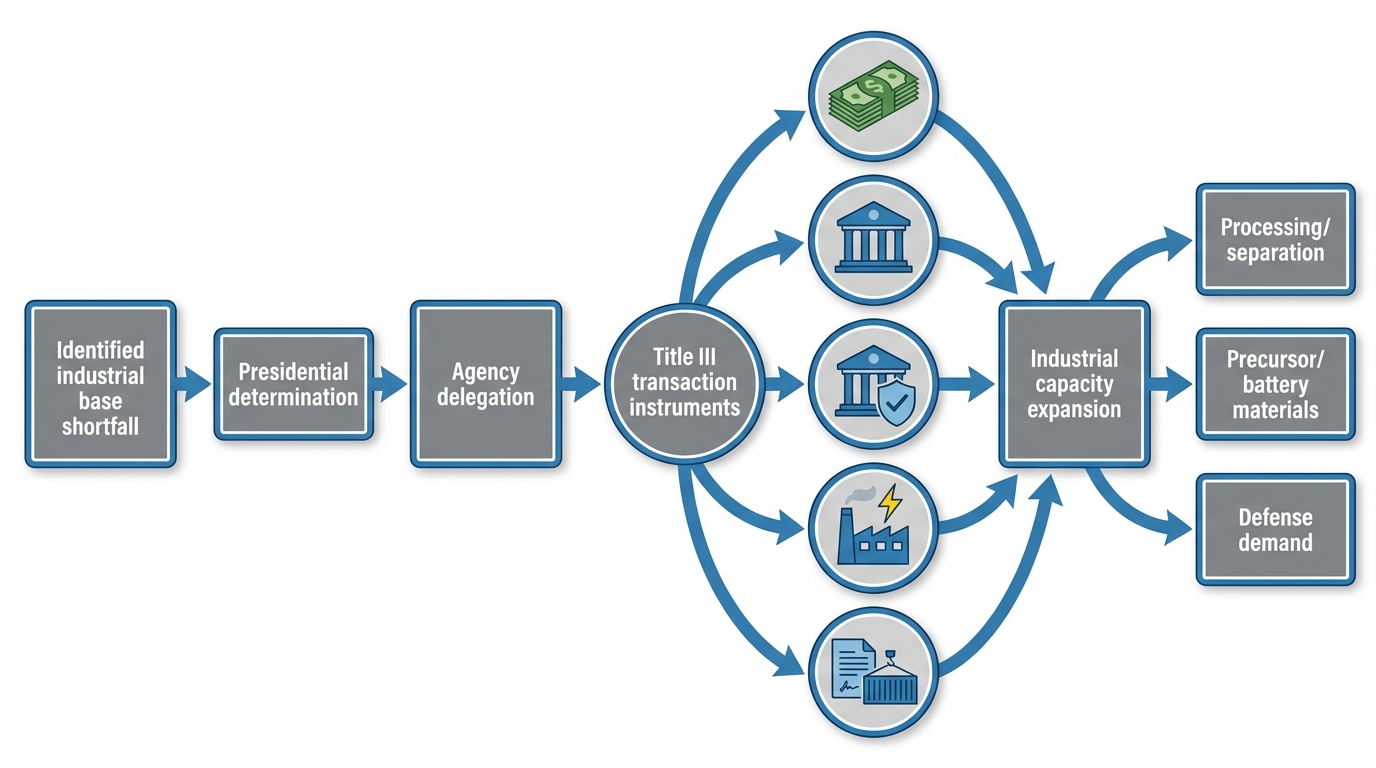
    The legal foundation matters because Title III is not an open-ended subsidy program. Its use is tied to a formal determination that an industrial shortfall exists and that government action is necessary to create, maintain, protect, expand, or restore domestic industrial base capabilities essential for national defense. Authority can be delegated to the Secretary of Defense and implemented through the offices responsible for DPA Purchases and related industrial base programs.

    This framework gives the Pentagon flexibility, but it also imposes discipline. Support is supposed to be linked to a defined capability gap rather than broad sector promotion. In critical minerals, that distinction explains why awards often focus on separation, refining, precursor production, metallization, or magnet manufacturing rather than undifferentiated upstream activity.

    Diagram of how Title III determination and funding mechanisms connect to industrial capacity expansion.
    Diagram of how Title III determination and funding mechanisms connect to industrial capacity expansion.

    How Awards Are Structured

    DPA Title III awards can take several forms. Grants are the most visible. They reduce upfront capital risk and are often used when a facility has strategic importance but uncertain near-term commercial returns. Loans and loan guarantees are another option, particularly where a project has identifiable future cash flow but cannot easily secure private debt on acceptable terms. Purchase commitments can also be used to create demand certainty, which is often as important as capital support in minerals markets with limited domestic offtake depth.

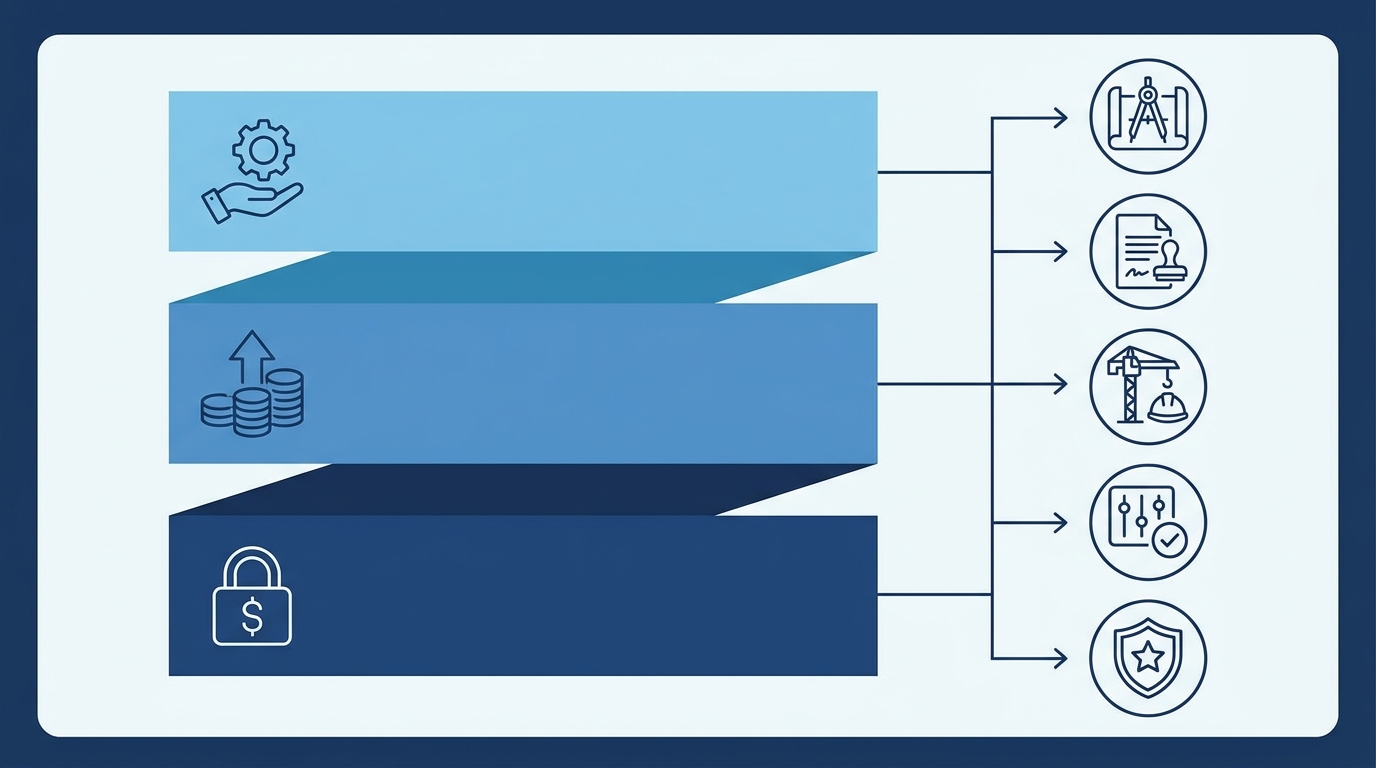
    Direct capital support can have an equity-like effect even when it is not common equity in the corporate sense. The government may fund plant buildout, equipment, or expansion in ways that materially strengthen a project’s financing stack. In many cases, awards are milestone-based rather than fully disbursed at signature. That means engineering, permitting, construction, commissioning, or qualification milestones can determine the release of funds.

    These structures matter because critical minerals projects often fail at the transition between concept, financing, and operational qualification. A Title III award can bridge that gap by combining public capital, signaling strategic priority, and improving a project’s ability to attract complementary private financing.

    Illustration of the industrial processing and separation bottleneck supported by Title III.
    Illustration of the industrial processing and separation bottleneck supported by Title III.

    Why Critical Minerals Fit the Program

    The critical minerals case is driven by concentration risk. For several minerals and processed products, mining may be geographically distributed while refining, separation, or manufacturing remains heavily concentrated in a small number of jurisdictions. That creates exposure not only to trade friction and logistics disruption, but also to technology transfer limits, sanctions risk, export controls, and qualification delays for defense-grade materials.

    Rare earths are the clearest example. The strategic issue is not only ore production. The more sensitive choke points are chemical separation, metal production, alloying, and magnet manufacturing. The same logic applies across battery materials, where precursor and processing stages can be more difficult to localize than mining itself. Title III is so well matched to bottlenecks that are commercially difficult but strategically important.

    What Announced Awards Show

    Public announcements do not provide a full tracker of all DPA activity, and they rarely disclose every contractual term. Even so, they offer a useful picture of policy direction. The Department of Defense has stated that since mid-2023 it awarded a total of $250 million to twelve recipients using Inflation Reduction Act appropriated funds through the DPA Purchases office to support domestic manufacturing capability for strategic and critical materials tied to large-capacity batteries. That indicates breadth across materials and a clear effort to connect defense resilience with industrial capacity relevant to electrification.

    The MP Materials partnership is another widely cited example of Pentagon rare earth investment associated with Title III authorities. Its significance is less about mining alone than about downstream rare earth processing and magnet-related capacity. That is consistent with the broader pattern in U.S. critical minerals funding: the federal government is increasingly focused on the stages that determine whether mined material can actually become qualified domestic supply.

    Milestone-based financing stack concept for how awards are structured.
    Milestone-based financing stack concept for how awards are structured.

    Operational and Compliance Implications

    For supply-chain and institutional analysis, a DPA award is best understood as a capability signal rather than proof of immediate output. Announced support can reduce financing risk, but execution remains exposed to permitting timelines, equipment delivery, technical ramp-up, feedstock availability, and customer qualification. In critical minerals, commercial success also depends on whether the supported facility can integrate with upstream feed sources and downstream buyers in a stable way.

    Compliance considerations are equally important. Projects operating under Title III support may face reporting obligations, domestic sourcing conditions, audit requirements, and other federal oversight mechanisms. Those factors can strengthen traceability and resilience, but they can also lengthen execution timelines relative to purely private projects.

    What to Watch

    The most important signals are not limited to award announcements. Market participants typically watch whether funded projects reach construction and commissioning milestones, whether output qualifies for defense or industrial use, whether additional federal instruments are layered onto the initial award, and whether supported capacity develops durable commercial demand outside direct government backing. Those indicators show whether Title III is merely allocating funds or actually changing the shape of the U.S. critical minerals base.

    The central conclusion is straightforward: DPA Title III critical minerals funding is a targeted industrial expansion mechanism built for strategic bottlenecks. Its role is not to replace markets, but to intervene where markets have left defense-relevant mineral capacity underbuilt. The announced awards suggest a consistent policy logic focused on midstream processing, downstream manufacturing, and reduction of concentrated foreign dependency rather than simple headline support for extraction alone.

  • What Is Terbium? A Supply Risk Framework for the Heavy Rare Earth Behind EV Magnets

    What Is Terbium? A Supply Risk Framework for the Heavy Rare Earth Behind EV Magnets

    Procurement and technical teams rarely assess the terbium element as a standalone input. In operational practice, terbium appears as a heavy rare earth issue that starts in geology, becomes visible in separation chemistry, and finally matters in magnet or phosphor qualification. That sequence is the main reason supply analysis around terbium often looks different from analysis around copper, nickel, or other bulk materials. The relevant constraint is usually not mining volume alone. It is the combination of ore type, heavy rare earth distribution, solvent extraction capability, regulatory exposure, impurity control, and downstream qualification into a usable form.

    • Terbium is a heavy rare earth typically assessed as part of a broader heavy rare earth stream rather than as an isolated mine output.
    • Terbium and dysprosium usually travel together in supply analysis because they occur in similar deposits, pass through related separation circuits, and serve overlapping magnet functions.
    • Two demand anchors matter most in practice: green phosphors and NdFeB magnet additives used to improve high-temperature performance.
    • Southern China remains central because ion-adsorption clay resources and a large share of the separation ecosystem sit in the same supply architecture.
    • Substitution and recycling are real but partial; both moderate exposure in some applications without removing the dependence on primary heavy rare earth supply.

    What terbium is in supply-chain terms

    Terbium, symbol Tb, is a lanthanide and is generally classified as a heavy rare earth. In commercial discussions, the relevant product is rarely pure metallic terbium in a simple commodity sense. The market usually revolves around terbium oxide, chemical intermediates, metal, alloy additions, or magnet-related feedstock. That distinction matters because the tradable and usable form is created through technically demanding midstream steps, not simply by extracting ore.

    From an application perspective, the two uses that repeatedly shape risk discussions are green phosphors and magnet additives. In phosphor chemistry, terbium is valued for its luminescent properties, especially where precise green emission is required. In magnets, terbium is used in small quantities to improve coercivity and thermal stability in NdFeB systems. The magnet role is especially visible in electric vehicles, wind turbines, industrial motors, robotics, and some defense-adjacent applications where performance under heat becomes a design constraint.

    Why terbium and dysprosium are usually analyzed together

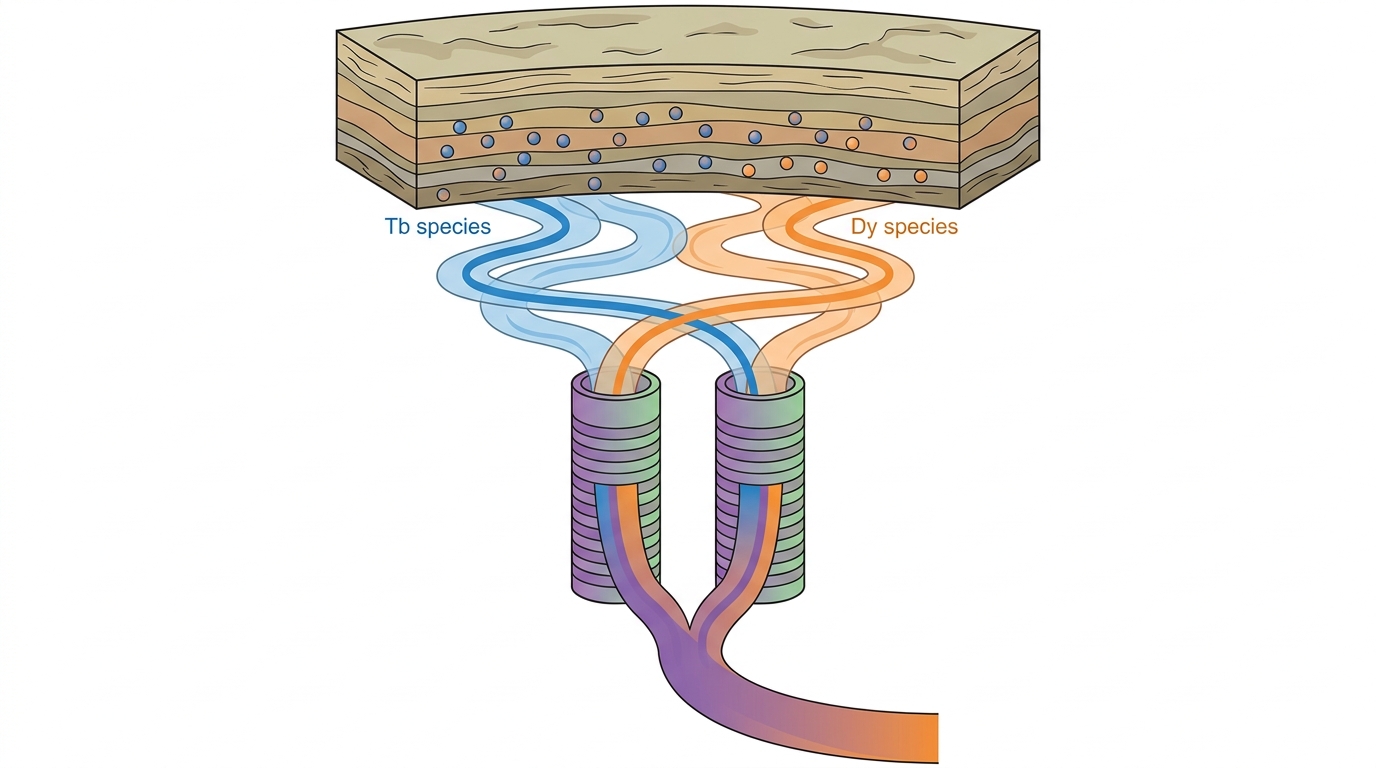
    A recurring discovery moment in heavy rare earth work is that a “terbium issue” often turns out to be a dysprosium-and-terbium issue. The pairing starts in geology. Tb and Dy are commonly associated with heavy rare earth-bearing deposits, especially ion-adsorption clays in southern China and some clay or carbonatite systems elsewhere. The pairing continues in processing because both elements move through related separation circuits and refining flows. It then reappears at the demand end because both can be used to improve high-temperature magnet performance.

    This co-movement changes how concentration risk is measured. A project can look diversified at the mine level while remaining concentrated in practice if the heavy rare earth stream still depends on the same midstream separation network. In several observed cases across rare earth markets, upstream headlines created an impression of new supply while the real bottleneck remained individual oxide separation, product purity, or oxide-to-metal conversion. That gap is one of the most important reasons Tb and Dy are often discussed as a pair rather than as independent markets.

    Supply chain bottleneck visual for terbium (Tb) and dysprosium (Dy) connection.
    Supply chain bottleneck visual for terbium (Tb) and dysprosium (Dy) connection.

    Analytical perimeter: where terbium risk actually sits

    A practical supply review usually maps terbium across the full chain rather than stopping at mine ownership or resource statements. The relevant perimeter typically includes six layers.

    1. Deposit and mineralogy: whether the source is an ion-adsorption clay, hard-rock system, or another rare earth host, and how Tb and Dy sit inside the broader rare earth basket.
    2. Intermediate product: whether the output is mixed rare earth carbonate, mixed oxide, or a more advanced separated product.
    3. Separation: the ability to isolate terbium from chemically similar neighboring rare earths through solvent extraction or related flowsheets.
    4. Refining and conversion: the path from oxide to metal, alloy, or application-specific feedstock.
    5. Qualification: whether the material is accepted for magnet, phosphor, optical, or other end uses with the required impurity profile.
    6. Regulatory and traceability layer: origin documentation, environmental compliance, customs classification, and chain-of-custody records that travel with the product.

    This perimeter matters because many apparent supply additions do not cross all six layers. In rare earths, the presence of ore or concentrate does not automatically translate into usable terbium for high-specification applications.

    Core criteria used to assess terbium exposure

    Several criteria tend to separate superficial analysis from operationally useful analysis.

    • Heavy rare earth distribution inside TREO: TREO means total rare earth oxides. A deposit can show meaningful TREO while containing limited heavy rare earth content, or the reverse. For terbium analysis, the internal distribution of Dy, Tb, and adjacent elements often matters more than the headline rare earth total.
    • Separation difficulty: terbium sits among chemically similar lanthanides, so the complexity of separation is part of the supply risk. The number of effective separation stages, reagent handling, and control of neighboring elements can determine whether material is truly marketable.
    • Product specification and impurity control: end users often qualify oxides, metals, or alloys against narrow impurity windows. In practice, impurity limits may be discussed in ppm, or parts per million. A material that is nominally “terbium oxide” can still face qualification friction if the impurity profile drifts.
    • Jurisdictional concentration: southern China remains the central reference point because ion-adsorption clay resources and the associated separation chain are deeply established there. Supply concentration is so geological and institutional at the same time.
    • End-use coupling: the supply picture changes when magnet demand strengthens relative to phosphor demand, or when downstream applications shift toward higher-temperature operating conditions that favor Tb or Dy additions.
    • Substitution and recycling elasticity: the relevant question is not whether a substitute exists in theory, but whether substitution works in a given performance envelope and whether recycled feed arrives in a usable form at the right stage of the chain.

    Failure modes observed in terbium supply analysis

    Several failure modes recur when terbium is mapped too narrowly.

    • Mine-level diversification that leaves midstream concentration unchanged: new ore sources can still depend on the same separation geography, leaving the core bottleneck intact.
    • Confusion between mixed rare earth output and separated terbium availability: a project may produce a rare earth intermediate without having a qualified route to individual Tb oxide.
    • Overstated substitution: engineering measures can reduce terbium intensity in some magnets, but high-temperature applications often retain a requirement for heavy rare earth performance support.
    • Assuming phosphor demand has disappeared: green phosphors are no longer the only narrative, yet they remain part of the demand base and can tighten an already narrow market.
    • Ignoring regulatory friction in southern China: environmental controls, licensing changes, and administrative enforcement can affect availability even when geology has not changed.
    • Treating oxide availability as the final answer: oxide, metal, alloy, and finished magnet qualification are different steps, and disruption at any one of them can delay usable supply.

    One of the clearest discovery moments in practice appears when a supply source looks robust on paper but only offers mixed rare earth material. That material can be strategically interesting, yet it does not immediately solve Tb availability for a motor or phosphor chain. Another common discovery moment appears downstream: a separated oxide exists, but the path into alloy or magnet production remains unqualified, leaving the market tighter than headline supply figures suggest.

    Observed options for managing terbium-related risk

    Across industry, several management approaches appear repeatedly. Their relevance varies by product form and end use, but the pattern is consistent enough to be part of a standard analytical frame.

    High-temperature NdFeB magnet concept with terbium as a performance additive (generic).
    High-temperature NdFeB magnet concept with terbium as a performance additive (generic).
    • Geographic diversification across more than one layer: some supply chains seek diversification not only in upstream ore but also in separation, metal conversion, and magnet fabrication.
    • Parallel qualification of product forms: companies sometimes qualify oxide, alloy, and finished magnet routes in parallel because substitution between forms is limited once a specification is fixed.
    • Lower heavy rare earth intensity in magnets: grain boundary diffusion, microstructural engineering, thermal management, and motor design changes can reduce the amount of terbium required in some applications.
    • Application-specific channel separation: phosphor-grade and magnet-grade flows are often treated differently because purity profiles, conversion steps, and qualification standards are not identical.
    • Recycling loops focused on concentrated streams: magnet manufacturing scrap and selected end-of-life equipment are the most commonly discussed sources because the terbium content is more recoverable than in highly dispersed consumer products.

    These options do not erase concentration. They change where the constraint appears. In one configuration the bottleneck may sit in clay-derived feedstock; in another it may shift to solvent extraction, oxide-to-metal conversion, or magnet qualification.

    Substitution status and recycling limits

    Substitution is best described as partial and application dependent. In magnets, the main technical theme is reduction of heavy rare earth loading rather than total removal across all performance classes. Where operating temperatures, compact motor architecture, or long service life create narrow performance windows, terbium can remain difficult to replace completely. In phosphors, alternative systems exist, but terbium still retains value in precise green-emission chemistry and specialty formulations.

    Recycling is important but not yet equivalent to a full secondary supply base. The most credible recycling streams tend to come from concentrated sources such as magnet production scrap, selected industrial equipment, or larger end-of-life motors. Recovery from highly dispersed products is more challenging because collection, dismantling, and chemical separation all add complexity. As a result, recycled terbium often complements rather than replaces primary heavy rare earth production.

    Signals commonly tracked in the terbium chain

    • Policy or environmental actions affecting ion-adsorption clay production and processing in southern China.
    • Announcements related to non-Chinese separation capacity, especially capacity capable of producing separated heavy rare earth oxides rather than mixed intermediates.
    • Changes in magnet manufacturing technology that alter Dy/Tb loading for high-temperature applications.
    • Evidence of tighter impurity control or more stringent qualification requirements in downstream magnets, phosphors, or specialty materials.
    • Shifts in recycling activity from laboratory scale or scrap recovery toward repeatable industrial recovery from end-of-life equipment.

    FAQ

    What is terbium used for?

    Terbium is mainly used in green phosphors and as a performance-enhancing additive in NdFeB magnets. It also appears in optical materials, sensors, and other specialized applications where rare earth chemistry is valued for specific functional properties.

    Ion-adsorption clay to separation pathway concept for heavy rare earths.
    Ion-adsorption clay to separation pathway concept for heavy rare earths.

    Why is terbium critical for green energy?

    Its main green-energy relevance comes from high-performance permanent magnets. Small additions of terbium can improve thermal stability and resistance to demagnetization in demanding motor environments, which is why the element remains relevant in electric mobility, wind systems, and industrial electrification.

    Is there a substitute for terbium?

    There are partial substitutes and intensity-reduction techniques, especially in magnets, but complete substitution is limited in the most demanding performance settings. The practical result is usually a reduction in terbium use rather than a universal replacement.

    The cleanest way to answer what is terbium from a supply perspective is to treat it as a high-specification heavy rare earth embedded in a Dy-linked chain. The most important facts are not only that terbium is used in green phosphors and magnets, but also that it is concentrated in a narrow geological and processing system centered on southern China. That is why terbium analysis routinely focuses on pairing with dysprosium, midstream separation capability, qualification discipline, and the practical limits of substitution and recycling.

  • What Dysprosium Is and Why It Matters: A Supply-Chain Risk Framework

    What Dysprosium Is and Why It Matters: A Supply-Chain Risk Framework

    In rare-earth supply chains, disruption rarely begins with a simple shortage at the mine. The recurring operational pattern appears further downstream: mixed feed moves into a narrow set of separation circuits, thermal-performance requirements tighten at the magnet stage, and an apparently minor additive becomes a gating factor for finished equipment. Dysprosium sits squarely in that pattern. It is a small-volume material by mass, but a high-criticality material by function, particularly where high-performance permanent magnets operate under heat, vibration, and compact design constraints.

    • Key takeaway: Most commercial dysprosium uses are tied to NdFeB magnets, where dysprosium improves coercivity and thermal stability rather than serving as a bulk material.
    • Key takeaway: Supply concentration is strongest in heavy rare earth separation and downstream conversion, not only at the mining stage, and China remains the central jurisdiction in that part of the chain.
    • Key takeaway: End-market demand from EV traction motors, wind turbine generators, defense systems, and specialized industrial motors gives dysprosium strategic importance out of proportion to tonnage.
    • Key takeaway: Substitution and recycling are real but partial; both are constrained by technical trade-offs, feed availability, and processing complexity.

    Operational context: dysprosium is a performance input before it is a volume story

    The answer to “what is dysprosium” begins with chemistry, but risk analysis starts with function. Dysprosium, symbol Dy and atomic number 66, is a lanthanide and is generally classified as a heavy rare earth element. That classification matters because heavy rare earths are usually harder to source, harder to separate, and more concentrated in processing than light rare earths. The dysprosium element is a silvery metal in pure form, yet in commerce it is rarely the stand-alone metal that drives concern. The market focus is the role dysprosium plays inside high-specification magnet systems.

    A practical discovery in supplier reviews is that many organizations initially treat rare earths as one interchangeable category. That view often collapses once product engineers define operating temperatures and demagnetization tolerance. At that point, dysprosium stops looking like a marginal constituent and starts looking like a functional requirement embedded in a magnet grade, a motor architecture, or a defense-related assembly.

    1. Material role: the heavy rare earth function behind magnet reliability

    Among dysprosium uses, the most commercially significant application is as an additive in neodymium-iron-boron, or NdFeB, permanent magnets. The reason is not cosmetic alloying. Dysprosium contributes to coercivity, meaning resistance to demagnetization, especially at elevated temperatures. In plain operational terms, it helps a magnet keep performing when thermal loads increase. That is why the phrase “dysprosium magnet” appears so frequently in EV, wind, and defense coverage.

    This thermal-performance role is central to the uses of dysprosium. NdFeB magnets are valued because they provide high magnetic strength in compact form factors. The weakness of the system is that heat can degrade magnetic performance if the formulation is not designed for that environment. Dysprosium is one of the established ways to strengthen the magnet against that failure mode. A recurring pattern in technical diligence is that dysprosium demand is driven less by total equipment count than by the share of applications that combine miniaturization, high power density, and sustained operating heat.

    Outside magnets, dysprosium also appears in more specialized applications such as certain lasers, control components, and nuclear-related uses. Those niches matter for criticality mapping, but they do not alter the main conclusion: commercially relevant dysprosium uses are overwhelmingly anchored in magnet performance.

    2. End-market pull: EV motors, wind turbines, defense, and industrial assemblies

    Demand analysis becomes clearer when end markets are separated by performance requirement rather than by headline category. In electric vehicles, dysprosium matters most in traction motors that use high-performance permanent magnets and operate in compact thermal envelopes. The metal is not present because of fashion in battery-electric design; it is present because elevated temperatures can weaken magnet performance, and dysprosium can help preserve coercivity.

    Photorealistic visual of dysprosium metal in a lab context (no text).
    Photorealistic visual of dysprosium metal in a lab context (no text).

    Wind turbine demand follows a similar logic. Permanent-magnet generator designs can create pull-through demand for rare earth magnets, and dysprosium becomes relevant where thermal resilience and reliability are important. Defense demand is structurally different. Absolute tonnage may be modest, but qualification standards, reliability thresholds, and strategic sensitivity raise the material’s importance. Industrial motors, sensors, actuators, and high-temperature magnetic assemblies add a further layer of demand that is easy to miss because it is dispersed across many applications rather than concentrated in one visible sector.

    One practical discovery from market mapping is that dysprosium demand is rarely linear with unit growth in any single sector. Motor design changes, magnet grain-boundary engineering, and different thermal management strategies can all shift dysprosium intensity per unit. For that reason, demand analysis works better as a specification exercise than as a headline-reading exercise.

    3. Supply concentration by stage: mining is only the opening layer

    The most important supply-chain fact about dysprosium is that concentration sits deep in the heavy rare earth processing chain. China dominates the separation stage for HREEs and remains highly influential in downstream conversion into oxide, metal, alloy, and finished magnet products. Even where feedstock originates outside China, the chain often narrows when mixed rare-earth material reaches chemical cracking and solvent-extraction separation.

    A recurring discovery in rare-earth due diligence is that mine diversification does not always translate into processing diversification. A supply map can look geographically diverse at the concentrate level and then reconcentrate at separation. For dysprosium, that middle-stage bottleneck is frequently more consequential than the location of the original ore body. The result is a multi-step concentration profile: upstream feed may be dispersed, but dysprosium oxide production, metal-making, alloy conversion, and magnet manufacturing can still depend on a small number of linked processing ecosystems.

    Conceptual cross-section showing dysprosium’s role in NdFeB magnet thermal stability (symbol-only).
    Conceptual cross-section showing dysprosium’s role in NdFeB magnet thermal stability (symbol-only).

    This is why a dysprosium risk review usually tracks the chain in sequence: ore or ionic-clay-derived feed, cracking, solvent extraction, separated oxide, metal or master alloy conversion, and magnet fabrication. At each stage, the number of viable operators tends to narrow, especially for heavy rare earths. China’s position in HREE separation is so not simply a mining story; it is a process-control story, a technical-know-how story, and a compliance-documentation story.

    • Supply concentration criteria commonly examined: origin of feedstock, location of separation, oxide purity route, metal or alloy conversion site, and final magnet manufacturing location.
    • Traceability criteria commonly examined: country-of-origin statements, certificates of analysis, safety and product documentation, chain-of-custody records, and export or customs classifications where relevant.
    • Operational resilience criteria commonly examined: number of qualified processors per stage, dependence on one jurisdiction, and evidence that a non-China route is genuine rather than nominal.

    4. Failure modes observed in dysprosium supply chains

    Dysprosium-related disruption tends to appear in a small set of recurring failure modes. The first is apparent diversification that disappears under process tracing. A supplier may cite non-China mining, while actual separation or metal conversion still relies on Chinese facilities. The second is specification mismatch. A project can secure rare-earth material in principle, yet fail at the application level because the magnet grade, coercivity target, or thermal profile does not line up with the end-use requirement.

    A third failure mode is documentation weakness. Rare-earth supply chains increasingly face scrutiny around origin, environmental handling, and industrial security. Missing or inconsistent product documentation can delay acceptance even when physical material exists. A fourth failure mode is substitution overstatement. Public discussions sometimes imply that dysprosium can be designed out quickly. In practice, substitution depends on operating temperature, motor architecture, weight constraints, and the performance penalties a system can tolerate.

    A fifth failure mode concerns recycling narratives. Secondary supply is often discussed as if it were an immediate offset to primary concentration. Experience on the ground tends to show a slower reality: magnet scrap streams are fragmented, end-of-life collection is uneven, dismantling is laborious, and reprocessing into high-purity feed is technically demanding. Recycling exists, but the path from scrap to magnet-ready material remains narrower than many market summaries suggest.

    5. Substitution status: real pathways, incomplete relief

    Substitution analysis in dysprosium almost always resolves into three categories. The first is reduced dysprosium loading within NdFeB magnets through microstructural optimization or grain-boundary diffusion approaches. These techniques can lower the amount of heavy rare earth required in some designs while preserving performance. The second is replacement with another heavy rare earth, most notably terbium, in certain formulations. The third is system-level substitution, such as alternative motor architectures that reduce or avoid permanent-magnet dependence.

    Supply-chain choke-point diagram for heavy rare earth processing and end-use dependencies (no text).
    Supply-chain choke-point diagram for heavy rare earth processing and end-use dependencies (no text).

    Each pathway carries trade-offs. Lower loading can preserve supply without eliminating exposure. Terbium substitution changes the dependence rather than removing heavy rare earth dependence. Alternative motor designs can alter efficiency, size, weight, thermal behavior, or acoustic performance. In practical assessment, substitution status is therefore less a binary answer than a constraint map. A useful phrasing in technical reviews is that dysprosium is partly avoidable in some products, but not frictionlessly replaceable across all high-performance magnet applications.

    6. Recycling reality: useful secondary supply, limited near-term release valve

    Recycling matters because dysprosium is embedded in finished magnets rather than consumed like a fuel. In theory, that creates recoverable inventory. In practice, the path to recovery is difficult. Post-industrial scrap is easier to identify than end-of-life consumer material, but volumes are still linked to manufacturing geography and magnet fabrication patterns. End-of-life products often contain magnets in assemblies that are not easy to disassemble, and the recovered material still requires sophisticated processing before it becomes a reliable source of separated heavy rare earth content.

    The practical market picture is that recycling supports resilience, especially where magnet scrap is concentrated and well characterized, yet it does not currently dissolve primary supply concentration. In other words, recycling reality is best understood as supplementary rather than transformative in the present supply environment.

    7. Evidence framework: how dysprosium risk is usually evaluated in practice

    A working framework for dysprosium analysis usually combines five evidence layers. The first is functional criticality: whether dysprosium is essential to the target performance window or simply beneficial. The second is stage concentration: where separation, metal-making, and magnet fabrication actually occur. The third is substitution elasticity: how much performance flexibility exists if dysprosium intensity changes. The fourth is traceability and compliance integrity: whether origin and processing claims are consistently documented. The fifth is secondary supply realism: whether recycling claims are tied to identifiable scrap streams and credible reprocessing routes.

    When those five layers are assembled, dysprosium usually emerges as a classic small-input, high-consequence material. The metal matters because its main role sits inside a narrow technical requirement, its most sensitive processing steps are concentrated, and the available relief valves-substitution, redesign, and recycling-each carry real constraints. That combination explains why dysprosium appears so often in EV, wind, defense, and industrial resilience discussions even though it is rarely a headline material by tonnage alone.

  • Rare Earth Magnets Supply Chain: Risk Framework for NdPr, Dysprosium and Terbium

    Rare Earth Magnets Supply Chain: Risk Framework for NdPr, Dysprosium and Terbium

    In rare earth magnets, disruption rarely begins with a headline about ore in the ground. The break usually appears further downstream: a separation circuit with limited heavy rare earth capability, a metal producer with inconsistent purity, a magnet plant qualified for samples but not serial production, or a document trail that stops at mine origin and says little about oxide, metal, alloy, and sintered magnet provenance. In family office and strategic metals review work, that is often the first important discovery: “non-China” can describe the mine while the highest-risk processing stages remain concentrated elsewhere.

    Key takeaways

    • The rare earth magnets supply chain is not a single market. Mining, separation, metalmaking, alloying, and magnet fabrication each have distinct concentration points and failure modes.
    • NdPr provides the core magnetic performance in NdFeB magnets, while dysprosium and terbium protect coercivity in high-temperature and high-stress applications.
    • China’s role becomes more concentrated downstream, especially in separation, heavy rare earth processing, alloy production, and finished magnet manufacturing.
    • Demand signals differ by sector: EVs and wind create volume pressure, while robotics and defense increase sensitivity to high-specification Dy/Tb content and qualification traceability.
    • Substitution and recycling exist, but both face practical limits in power density, thermal stability, collection, purity control, and industrial scale.

    Mapping the chain from ore to permanent magnet

    The chain begins with rare earth mineralisation, commonly bastnaesite or monazite, reported in TREO or REO terms. Mining and beneficiation produce a concentrate, but concentrate is only an intermediate. What matters for magnet metals is the contained distribution of light and heavy rare earths, impurity profile, radioactive handling obligations where relevant, and the route into a separation facility. A concentrate rich in total rare earths can still be strategically weak if its NdPr split is modest or if its heavy rare earth component is absent.

    Separation is the pivotal stage. Solvent extraction trains divide mixed rare earth streams into individual oxides such as neodymium oxide, praseodymium oxide, dysprosium oxide, and terbium oxide. This is where many supply-chain maps become misleading. A mining project may sit in Australia, the United States, Africa, or Canada, while separation remains concentrated in China or in a small number of non-China facilities such as Lynas’ Malaysia operations. In practical reviews, separation capability often determines whether a project is truly relevant to the NdPr supply chain or simply relevant to upstream rare earth narrative.

    From oxides, the chain moves to metal reduction, alloying, strip casting or related intermediate processing, powder production, pressing, sintering, machining, coating, and magnetisation. Each step narrows the field of capable operators. Magnet-grade metal requires controlled impurity levels, and ppm-level contamination can matter in downstream alloy and sintering performance. A recurring discovery in supplier assessments is that a project may present robust geology and a credible oxide story, yet still depend on an external party for alloying or magnet fabrication. For resilience analysis, mine-to-magnet continuity matters more than upstream abundance alone.

    What NdPr, dysprosium, and terbium actually do

    NdPr is the functional base of most high-performance neodymium-iron-boron magnets. Neodymium and praseodymium are commonly discussed together because they are often marketed and processed as a didymium stream before final optimisation. In simple terms, NdPr delivers the magnetic strength and energy density that make compact motors, generators, and actuators possible. That is why the NdPr supply chain sits at the centre of EV drivetrains, direct-drive wind systems, robotics actuators, industrial servomotors, and many aerospace applications.

    Diagram: Mine to magnet process flow for NdPr, dysprosium, and terbium.
    Diagram: Mine to magnet process flow for NdPr, dysprosium, and terbium.

    Dysprosium and terbium are different. They are heavy rare earths, scarcer in economic concentrations and more difficult to separate. Their role is not to replace NdPr but to harden a magnet against heat and demagnetisation. In high-temperature operating windows, Dy and Tb preserve coercivity. This matters in traction motors, offshore installations, aerospace systems, and military platforms where thermal stress, vibration, and reliability requirements are more severe. The strategic issue is not only lower availability; it is the fact that Dy/Tb exposure often becomes visible late, when a magnet specification is already tied to an application that cannot easily tolerate redesign.

    Analytical criteria used in a supply-chain review

    A useful review framework separates geology from deliverability. The first criterion is chain-of-custody depth: mine, concentrate, separated oxide, metal, alloy, and finished magnet. The second is technical fit: whether the supplier can produce the relevant chemistry, grain structure, coating system, and thermal profile for the end use. The third is jurisdictional exposure, including export controls, licensing, environmental permitting, and customs documentation. The fourth is scale-up realism, because pilot lots and commercial continuity are not the same thing. The fifth is redundancy: whether more than one route exists for the critical step.

    • Provenance evidence: certificate of analysis, country-of-origin records, conversion pathway, and where “mine-to-magnet” claims actually stop.
    • Heavy rare earth visibility: declared Dy/Tb loading, ability to source heavy rare earth oxides or metals, and whether substitution assumptions are built into the magnet design.
    • Processing bottlenecks: separation access, reduction know-how, alloy capability, and sintering qualification.
    • Compliance burden: environmental permits, radioactive residue handling where relevant, export documentation, and sector-specific traceability expectations in automotive, aerospace, or defense channels.
    • Ramp credibility: evidence that sample material, pilot output, and recurring production are coming from the same process route rather than a temporary workaround.

    Demand signals that change the risk profile

    Demand is not uniform across end markets. EVs are the largest visible source of volume pressure because a large share of traction motor architectures still relies on NdFeB magnets. Current industry coverage points to roughly 1-3 kg of NdFeB in many EV motor systems, while some system-level estimates run higher depending on architecture and component scope. At projected EV volumes, even the lower end of that range implies substantial NdPr draw. Recent arrangements between automotive groups and magnet makers such as GM and Noveon have been read in the market as evidence that downstream qualification capacity matters almost as much as raw material availability.

    Visualizing separation and magnet production with emphasis on processing complexity.
    Visualizing separation and magnet production with emphasis on processing complexity.

    Wind power creates a different pattern. Offshore direct-drive turbines can require very large magnet loads per megawatt, making wind a major sink for NdFeB if deployment targets continue to rise. Robotics and high-performance motors add another layer because actuator precision and compactness can increase sensitivity to Dy/Tb content. Market commentary around humanoid robotics has drawn attention to magnet intensity per unit, even when aggregate volumes remain small relative to EVs and wind. Defense demand is smaller in tonnage but higher in criticality. Aircraft, drones, guidance systems, and high-temperature military electronics place more weight on qualified performance, thermal tolerance, and secure provenance than on simple bulk availability.

    Why substitution and recycling remain constrained

    Substitution is often presented as an easy release valve, but the engineering trade-off is usually severe. Ferrite, induction, or switched reluctance alternatives can remove or reduce rare earth dependence in some designs, yet they often give back power density, efficiency, size, or weight. In EVs, drones, robotics, and aerospace, those trade-offs can quickly become unacceptable. Samarium-cobalt occupies a real niche at high temperatures, but it is not a simple universal replacement for NdFeB and introduces its own material and manufacturing constraints.

    Recycling is equally important and equally limited. Magnet scrap from manufacturing is easier to process than end-of-life material because chemistry is more predictable and contamination is lower. End-of-life recycling faces fragmented collection, coatings, mixed assemblies, uncertain Dy/Tb content, and the need to return material to magnet-grade quality. That is why recycling helps the system but does not yet remove dependence on primary supply. A practical observation from the field is that “recycled content” often improves feed flexibility without solving the hardest heavy rare earth bottlenecks.

    Conceptual visualization of geographic concentration and bottlenecks.
    Conceptual visualization of geographic concentration and bottlenecks.

    Common failure modes observed in the rare earth magnets supply chain

    • Upstream strength, downstream weakness: a credible mine with no assured separation, metal, or magnet route.
    • Heavy rare earth blind spot: a magnet specification that quietly assumes future Dy/Tb access without showing the source.
    • Pilot-to-production discontinuity: sample magnets qualified from one feedstock, then commercial lots produced from another.
    • Traceability gap: origin claims at oxide level but limited transparency on metal reduction, alloying, or sintering.
    • Policy shock: export licensing changes, sanctions risk, or customs scrutiny affecting intermediate forms rather than mined material.
    • Application mismatch: a supplier able to make industrial magnets but not automotive, aerospace, or defense-grade material with the necessary documentation and consistency.

    Observed risk-management configurations in the market

    Several configurations have appeared as market participants try to reduce concentration risk. One is vertical integration from mine or mixed rare earth feed through separation and into magnet production. Another is partial regionalisation, with mining in one jurisdiction, separation in another, and final magnet production closer to end-use manufacturing. Current examples often cited in industry discussions include Lynas outside China in separation, MP Materials in the United States moving further downstream, and a range of North American and European groups seeking qualified non-China magnet routes. A separate pattern is the use of recycled magnet material to supplement virgin feed, particularly where manufacturing scrap is available. There is also visible work on reducing heavy rare earth loading through grain boundary diffusion and related processing improvements, although those approaches shift rather than eliminate technical dependence.

    These configurations all carry trade-offs. Integrated chains improve visibility but take time to build. Regionalised chains can reduce geopolitical concentration while adding handoff complexity. Recycling improves material circularity but rarely resolves qualification and purity issues on its own. Lower-Dy or lower-Tb designs can reduce pressure on the scarcest inputs, yet they are application-specific and may not fit high-temperature duty cycles. From a resilience perspective, the most important distinction is between a chain that is merely diverse on paper and one that is operationally proven across oxide, metal, alloy, and finished magnet stages.

    Related Procyon Metals resources

    For broader context across critical materials, related reading includes the Critical Metals Pillar Guide and the Physical Strategic Metals Due Diligence Checklist. Further discussion with Procyon Metals on rare earth and magnet metals exposure commonly centres on provenance depth, heavy rare earth bottlenecks, and the difference between upstream optionality and downstream deliverability.

  • Critical Minerals Stockpiling: Physical Custody, Rotation and Material Suitability Framework

    Critical Minerals Stockpiling: Physical Custody, Rotation and Material Suitability Framework

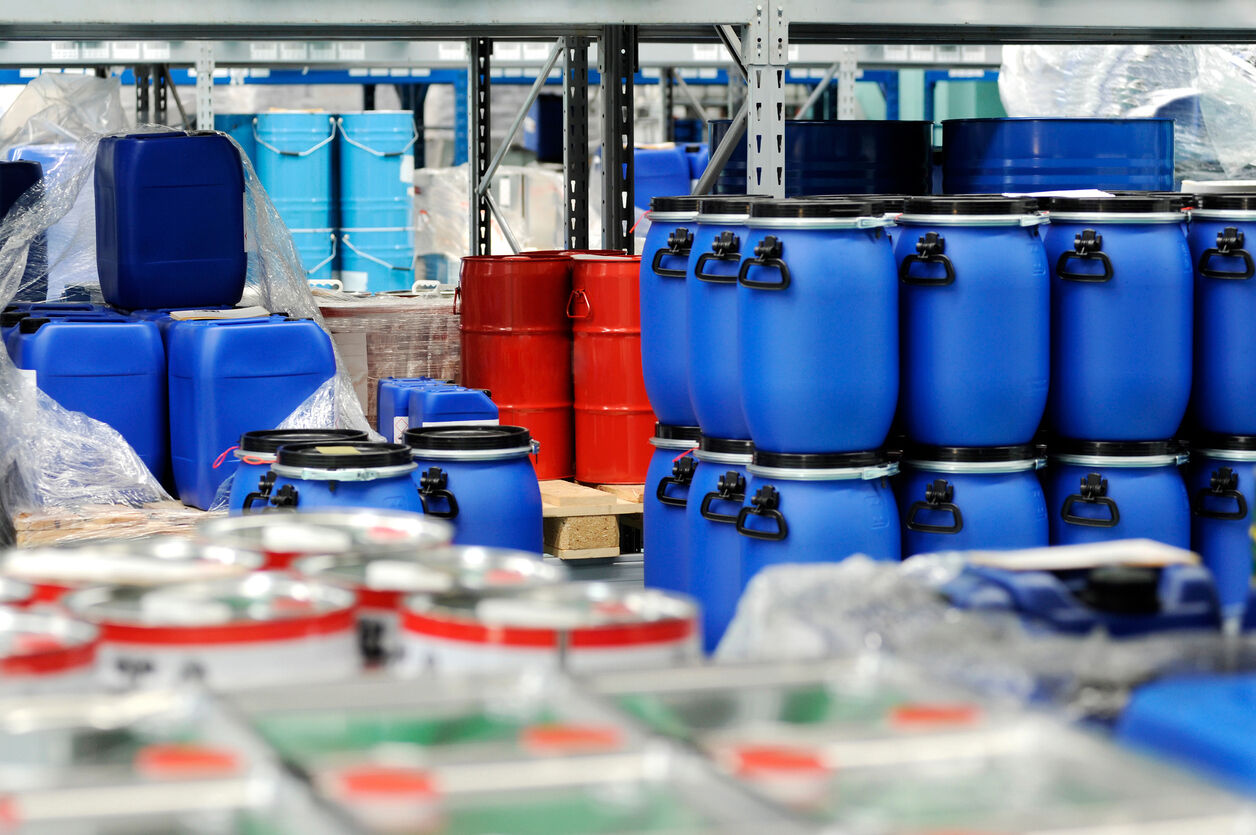
    In critical minerals supply chains, the failure often appears after the material is already in storage. A lot carries an assay but lacks chain-of-custody records. A rare earth oxide drum shows TREO, or total rare earth oxides, yet says little about the usable NdPr share. A pallet of NdFeB magnets is physically present but not commercially interchangeable because the grade, coating, dimensions, and magnetic properties were qualified for a different motor platform. Public stockpile policy has increasingly focused on this gap between physical presence and operational usability. For family offices, strategic metals investors, private wealth advisors, and physical commodity buyers, the central lesson is methodological: critical minerals stockpiling works only for a narrow set of materials and forms.

    • Material form usually matters more than the metal name; metal, oxide, carbonate, alloy, powder, and magnet each carry different custody risks.
    • Stable exchange-recognized metals fit standard strategic metals storage far better than specification-heavy intermediates and components.
    • A rare earth stockpile becomes less fungible as it moves from oxide to alloy to finished magnet, where qualification and traceability dominate.
    • Graphite, battery materials, and specialized alloys often rely on industry-held rotation because warehouse custody alone does not preserve commercial usability.

    The stockpile question starts with form, not with name

    A critical minerals reserve is often discussed as if each metal were a single warehouseable product. In practice, the product definition changes the risk profile. Copper cathode and aluminum ingot are understood globally, with exchange-linked grades, common storage methods, and broad industrial recognition. By contrast, a “rare earth” position can mean mixed concentrate, mixed carbonate, separated oxide, metal, master alloy, or finished magnet. Each step narrows the pool of acceptable counterparties and raises the documentation burden.

    The same issue appears across other materials. Graphite can mean flake concentrate, purified spherical graphite, synthetic graphite, or a shaped anode precursor. Lithium expressed in LCE, or lithium carbonate equivalent, is useful for comparing contained lithium across products, but LCE does not turn a material into a warehouse-ready commodity. Contamination thresholds measured in ppm, or parts per million, can determine whether a lot works in a battery, magnet, alloy, or semiconductor context. A parcel measured in MT, meaning metric tonnes, can look substantial on paper while remaining commercially narrow if the form is wrong.

    A practical review perimeter for critical minerals stockpiling

    Observed stockpile reviews usually revolve around five dimensions. The first is physical stability: whether the material tolerates standard warehouse conditions, remains intact over multi-year holding periods, and avoids meaningful degradation if protected from moisture. The second is specification transparency: whether the market recognizes a common grade or whether each lot requires application-specific qualification. The third is documentation: assay certificates, safety data, origin records, title documents, packaging records, and handling history. The fourth is transferability: whether another industrial holder, merchant, or warehouse network recognizes the material without extensive requalification. The fifth is jurisdictional exposure: export controls, customs classification, sanctions screening, and origin-sensitive trade restrictions.

    Public policy debates in the United States, Europe, Japan, and other industrial jurisdictions increasingly distinguish between stockpiling a stable metal and maintaining access to a specialized input. That distinction is useful in private physical metals allocation design because the apparent resilience of a stored lot can disappear when one of these five dimensions fails.

    Illustrate the policy decision framework visually.
    Illustrate the policy decision framework visually.

    Which strategic metals are practical to store physically

    The materials that most closely resemble conventional warehouse holdings share a familiar pattern. They tolerate standard warehouse conditions with limited environmental control, do not degrade significantly when kept dry, have recognized grading systems linked to LME or COMEX style market practice, and circulate through secondary markets without end-user-specific qualification. In this group sit exchange-recognized base metals and certain refined forms used broadly across industry.

    Commodity-like metals are not risk free, but the main risks are comparatively legible: title integrity, warehouse controls, moisture protection, insurance scope, and assay verification. Storage records are intelligible to a wide set of downstream participants. The material can also move between warehouses, merchants, and industrial users without the same degree of technical reinterpretation that characterizes specialty intermediates. In critical minerals stockpiling, that combination of physical stability and commercial legibility is what makes a material practical to hold.

    Why a rare earth stockpile becomes harder downstream

    Rare earths illustrate the difference between tonnage and usability. A concentrate may show attractive TREO, yet the value of the lot depends on the separable mix, impurity profile, and the availability of downstream separation and metal-making capacity. A separated NdPr oxide lot is more defined, but still not interchangeable in the way a standard base metal product is. Moisture management, packaging integrity, assay quality, and origin records matter immediately. At the magnet stage, fungibility drops further. Finished NdFeB magnets are shaped parts with specific grades, coatings, tolerances, and application histories. A warehouse pallet that fits one e-motor program may be irrelevant to another.

    That is why the phrase rare earth stockpile can be misleading. Upstream forms are broader and easier to store, but less directly usable. Downstream forms are closer to industrial need, but more exacting in custody and qualification. In practice, the stockpile design challenge is not simply “how much rare earth material exists,” but “which form exists, under which documents, and for which consuming process.”

    Visualize the 'storage divide' between bulk commodities and specification-heavy materials.
    Visualize the ‘storage divide’ between bulk commodities and specification-heavy materials.

    Graphite and specialized materials: custody becomes part of the product

    Graphite often appears warehouse-friendly because it is a carbon material that can sit in bags, supersacks, or drums. The operational picture is narrower. Flake size distribution, ash content, metallic impurities, purification route, and shaping process all determine end use. A lot described loosely as battery graphite can remain unusable without particle-size data, tap density, impurity analysis, and process history. Synthetic graphite brings a different chain of evidence linked to feedstock and thermal processing. In both cases, the custody design is inseparable from the commercial identity of the product.

    The same pattern extends to specialized alloys, powders, salts, and coated materials. Hygroscopic intermediates can absorb moisture. Fine powders can cake, oxidize, or become handling-sensitive. Alloy chemistry that is adequate for one melt shop may fall outside another plant’s accepted range. In these materials, physical storage is only one layer of resilience. Rotation, re-assay, packaging controls, and end-user alignment often determine whether the lot remains usable.

    Failure modes observed in physical stockpiling

    • Wrong form risk: the stockpile exists in concentrate, carbonate, or powder form while the downstream user needs metal, alloy, or finished component.
    • Specification opacity: the assay is broad, but the consuming plant requires narrow ppm impurity thresholds or process-specific test data.
    • Documentation gaps: chain-of-custody records, origin documents, safety data, or packaging history are missing or inconsistent.
    • Environmental drift: moisture ingress, oxidation, coating failure, or packaging breakdown changes the condition of the material in storage.
    • Qualification mismatch: the lot is real and available, but not already recognized by the industrial user or plant quality system.
    • Jurisdictional friction: export licensing, customs treatment, sanctions screening, or origin restrictions interfere with movement even when inventory exists.

    Can family offices stockpile critical minerals

    Family offices can hold physical critical minerals in legal and operational terms, but suitability varies sharply by material class. Where the product is commodity-like, warehouse custody can function as a relatively legible storage model. Where the product is specification-heavy, the holding begins to resemble industrial inventory management rather than passive storage. That distinction matters because public stockpile policy is often designed around national resilience, while private holdings live or fail on the quality of their custody architecture, paperwork, and transferability to an actual user.

    Observed private and semi-private models generally fall into three categories. The first is passive custody for stable, exchange-recognized metals. The second is segregated custody with strict assay and documentation controls for defined intermediates. The third is industry-held rotation, where the material remains inside a manufacturing or merchant ecosystem and is refreshed through normal industrial movement. The third model often appears in graphite, battery intermediates, rare earth alloys, and magnets because rotation preserves qualification in a way that static storage often does not.

    Explain why rotation/qualification outperforms static holding for complex materials.
    Explain why rotation/qualification outperforms static holding for complex materials.

    Which strategic metals are practical to store physically

    A workable rule of thumb emerges from public stockpile practice and warehouse observation. Materials suited to strategic metals storage tend to have broad industrial acceptance, minimal sensitivity to ordinary warehouse conditions, durable packaging formats, mature grading language, and a recognizable transfer path outside a single end use. Materials that fail one or more of those tests often rely on closer industrial custody. Magnets, graphite, specialty salts, engineered powders, and application-specific alloys frequently sit in that second group.

    In that sense, what works in critical minerals stockpiling is not defined by strategic importance alone. It is defined by the overlap between physical stability, documentation quality, commercial fungibility, and downstream qualification. Public reserve policy highlights the same lesson. A stored material only counts as resilience when it can move through compliance checks and into use without being redefined, requalified, or materially reprocessed first.

    For teams mapping a critical minerals reserve, a rare earth stockpile, or broader physical metals allocation questions, Procyon’s physical strategic metals due diligence checklist is available upon request.

  • Physical Strategic Metals Due Diligence: A Framework for Purity, Custody, Documentation, and Resale

    Physical Strategic Metals Due Diligence: A Framework for Purity, Custody, Documentation, and Resale

    Breaks in the physical strategic metals chain rarely begin with a dramatic mine shutdown. In day-to-day reviews, disruption more often appears as a missing lot number on a warehouse receipt, an assay that cannot be tied to the exact drums in storage, a provenance file that stops at the trader rather than the processor, or a resale inquiry that stalls because the material form is not widely accepted. That is the operating context for physical strategic metals due diligence: a document-heavy, lot-specific review used by family offices, private wealth advisers, and physical commodity buyers dealing with materials that sit outside standardized exchange inventories.

    • Key takeaway 1: Purity alone rarely closes the file; the decisive question is whether purity data can be tied to a named lot through sealed sampling, dated assays, and a clean title chain.
    • Key takeaway 2: Strategic metals custody and storage risk often sit in the gap between warehouse paperwork and legal title, especially in pooled arrangements or free-zone transfers.
    • Key takeaway 3: Resale friction usually comes from non-standard form, stale assay data, missing provenance, or a narrow buyer universe rather than from the metal name itself.
    • Key takeaway 4: Fees and handling charges matter less as headline numbers than as signals of who controls withdrawal, re-assay, relabeling, and final release of the lot.

    The review perimeter: product form, lot identity, and marketability

    A workable strategic metals checklist usually begins with the physical reality of the product. The same element can trade as oxide, metal, alloy, carbonate, sulfate, powder, or briquette, and those forms do not travel through the same buyer network. Rare earth materials often use TREO, or total rare earth oxide, as a headline measure, while lithium volumes are sometimes compared on an LCE, or lithium carbonate equivalent, basis even when the stored material is a specific salt. Impurities may be recorded in percent or in ppm, parts per million, and small differences at that level can separate an acceptable industrial lot from a restricted one.

    One recurring discovery in market reviews is that commercial descriptions sound standardized while the underlying product is not. “Neodymium-praseodymium oxide” may be chemically close to expectation but packaged in unsealed fiber drums, or “nickel units” may describe a form that lacks broad acceptance in downstream processing. Another common gap appears when origin, processing jurisdiction, and current storage location sit in three different countries. Chinese-origin rare earth oxide routed through a third-country processor is a typical example where paper continuity matters as much as chemistry.

    Purity and metal purity documentation

    The core evidence set for purity normally includes a recent Certificate of Analysis, the analytical method, the sample chain, and the lot identifier. In observed market practice, stronger files contain an assay from an ISO/IEC 17025-accredited laboratory such as SGS, Bureau Veritas, or Alex Stewart International. For rare earth elements, ICP-MS – Inductively Coupled Plasma Mass Spectrometry – is commonly used where trace impurities matter. For base metals such as nickel, XRF, or X-ray fluorescence, is often part of the package, though its usefulness depends on the material form and the impurity profile being tested.

    • A dated Certificate of Analysis linked to a specific lot or container number
    • Sampling records showing sealed transfer, tamper evidence, and sampler identity
    • Impurity breakdown rather than headline purity alone, including radioactive or deleterious elements where relevant
    • Assay age, with files older than six months often treated in the market as weaker evidence for active resale or transfer
    • Dual-assay files where one result comes from a seller-linked lab and one from an independent laboratory

    A well-known failure mode is the seller-lab assay that looks complete but does not describe how the sample was taken from the physical lot. That gap is especially visible in some Chinese-sourced lots, where the chemistry appears attractive until an independent re-assay ties the result to the actual drums or bags. In practice, a variance above 0.5% between the seller assay and the independent assay often shifts a lot into dispute or further sampling. Another discovery that changes downstream usability is impurity content that was not emphasized in the first document pack. A 2024 market example involving praseodymium oxide centered on re-assay findings of 2% thorium impurities, illustrating how a lot can move from apparently acceptable to operationally restricted.

    Overview checklist infographic
    Overview checklist infographic

    Provenance, traceability, and compliance exposure

    Purity answers only part of the question. Provenance asks where the material was mined, processed, refined, exported, stored, and transferred, and whether those steps align with current compliance screens. The latest change in many reviews is that documentary sufficiency now extends beyond a Certificate of Analysis into sanctions checks, forced-labour exposure, and named processing entities. In practical terms, the stronger provenance file follows the lot from mine or processor through export documents and into storage, rather than stopping at a trading company invoice.

    • Commercial invoice, packing list, and transport document tied to the same lot reference
    • Processor or refiner statement identifying where transformation occurred
    • Customs or free-zone documentation showing entry, transfer, and current location
    • Sanctions and forced-labour screening records for relevant jurisdictions, including U.S. and EU exposure
    • OECD-aligned traceability reports or, in some cases, blockchain-linked certificates as supplementary evidence

    Failure modes in this section tend to be structural rather than clerical. The mine origin may be named but the processing plant omitted. The exporter may be visible while the beneficial owner of the intermediary remains unclear. Corporate restructurings can also break the chain when an old entity name appears on the assay and a newer name appears on the shipping file. Those mismatches become more sensitive where transshipment, China-linked processing, Myanmar border material, or Russia-related restrictions enter the record.

    Strategic metals custody and physical strategic metals storage

    Strategic metals custody differs from precious-metals storage because lot-specific form and downstream usability often matter more than fungibility. A segregated arrangement generally preserves a named lot, original packaging state, and cleaner re-assay path. A pooled arrangement can work for more standardized units, but it introduces uncertainty if a later buyer wants the original provenance pack, exact drum numbers, or a fresh sample from the same material that entered storage. In other words, storage design directly affects resale readiness.

    Purity & assay verification visual
    Purity & assay verification visual
    • Segregated storage: clearer title, cleaner audit trail, easier reconciliation between assay, packaging, and inventory record
    • Pooled storage: simpler administration in some cases, but weaker lot continuity and more difficult recovery of original evidence
    • Jurisdiction: Singapore, Switzerland, and the United States appear frequently in reviews because legal enforceability and customs handling are easier to map
    • Condition of goods: sealed inner liners, moisture exposure, damaged drums, relabeling, and repacking history all affect claim quality

    A common moment of discovery appears when the warehouse receipt confirms weight and location but not the full lot identity. Another appears when the storage invoice looks institutional while the legal title still sits with an affiliate of the seller. For powders, salts, and reactive materials, storage specifications can become decisive: hazardous classification, humidity control, fire protection, and access logs may determine whether the material remains insurable and transferable in the same form in which it arrived.

    Insurance, title chain, and documentation hygiene

    Insurance analysis in this market is less about generic coverage language and more about alignment between the insured party, the named custodian, the storage site, and the lot description. The title chain sits at the center of that review. If the seller, transporter, warehouse operator, and insured entity do not line up across the file, recovery rights become harder to interpret. This is one reason documentation hygiene carries so much weight in physical strategic metals transactions.

    • Warehouse receipt or inventory certificate that identifies the lot with specificity
    • Insurance binder or certificate showing covered location, peril scope, and named insured
    • Title transfer records from seller to current owner, including any free-zone or bonded transfer
    • Audit or inventory reconciliation reports from the custodian
    • Incident procedures for contamination, damage, partial loss, or assay dispute

    Observed weak points include blanket insurance policies with unclear sub-limits, inventory reports issued by a storage affiliate rather than the actual operator, and files that cover theft but say very little about contamination, degradation, or disputed purity. In practice, those issues do not always surface at purchase; they emerge when the lot moves, when a buyer requests a fresh assay, or when packaging damage forces repacking and changes the original evidence trail.

    Liquidity, resale constraints, and counterparty risk

    Physical strategic metals become hard to resell for predictable reasons: the buyer pool is narrow, the product form is non-standard, the assay is stale, the provenance file is incomplete, or the material sits in a jurisdiction that complicates release. Liquidity also varies sharply by product. A recognizable NdPr oxide lot with current assay data and clear custody records tends to be easier to place than an obscure minor metal, a mixed intermediate, or an off-spec blend. Counterparty analysis therefore extends beyond financial standing into operational history, dispute record, and document discipline.

    Segregated vs pooled custody comparison
    Segregated vs pooled custody comparison
    • Evidence of prior two-way market activity for the same form and specification
    • Named counterparties willing to review fresh assay data and original provenance records
    • Clear schedules for storage, handling, withdrawal, re-assay, and relabeling, since these often reveal where control actually sits
    • Consistency between legal entity names on invoices, assays, insurance records, and warehouse reports

    The practical lesson from this section is simple: resale friction is often a documentation problem disguised as a market problem. A buyer may like the chemistry but pause because the assay predates transfer, or because the intermediary changed name after shipment, or because the warehouse cannot confirm that the drums offered for release are the same drums sampled for the original Certificate of Analysis.

    Closing frame

    As a working framework, this strategic metals checklist turns a broad risk question into a series of verifiable files: product form, lot identity, assay quality, provenance continuity, custody model, storage jurisdiction, insurance scope, title chain, and resale readiness. The most consistent pattern across all categories is that a lot becomes easier to evaluate when the chemistry, the documents, and the physical storage record describe the same thing in the same sequence. Related reading in the Procyon Metals library includes the critical metals pillar guide and the rare earth magnets supply chain guide.

    Procyon Metals maintains a working due diligence checklist for teams reviewing physical strategic metals and is available to discuss custody and sourcing questions in a factual scoping conversation.

  • Project Vault and the Critical Minerals Paradox: What IT Leaders Need to Do Now

    Project Vault and the Critical Minerals Paradox: What IT Leaders Need to Do Now

    **Project Vault highlights an uncomfortable truth for US business leaders: reducing dependence on Chinese critical minerals may require buying from China first. For CIOs, infrastructure leaders, and procurement teams, the real value is not instant independence but better resilience-more predictable hardware costs, shorter deployment delays, and stronger readiness for regulated and public-sector opportunities.**

    Project Vault and the Critical Minerals Paradox: What It Means for IT Leaders

    Recent policy discussions around Project Vault point to a hard reality that many executives already sense: the US cannot unwind its critical mineral exposure on a political timetable. China still dominates large parts of the mining, refining, and processing chain behind rare earths, graphite, lithium, cobalt, and other inputs that sit inside semiconductors, batteries, cooling systems, and advanced electronics. That creates a paradox. To build a US critical minerals stockpile quickly enough to matter, early purchases may still need to come from Chinese supply chains.

    This means for your business that the near-term goal is not mineral sovereignty. It is continuity. If your company depends on AI infrastructure, data center expansion, battery backup systems, networking gear, or specialized manufacturing equipment, Project Vault matters because it reframes minerals as an operating risk, not just a geopolitical headline.

    The Business Challenge: Critical Minerals Are Now an IT Supply Chain Issue

    For years, many technology leaders treated mineral exposure as someone else’s problem-something for automakers, miners, or defense planners to worry about. That is no longer practical. The components your business relies on every day are built on upstream materials that have become harder to source, harder to price, and harder to replace on short notice.

    The real cost isn’t the technology – it’s the delay. A GPU cluster that ships six months late can derail an AI roadmap. A battery backup project that misses a commissioning window can postpone a data center expansion. A sudden price jump in constrained materials can turn a carefully approved capital plan into an emergency budget discussion.

    Where the exposure shows up

    • Rare earth elements used in magnets for motors, cooling systems, robotics, and manufacturing tools
    • Lithium, cobalt, graphite, and nickel used in batteries, backup power, mobile devices, and energy storage
    • Specialty mineral inputs embedded across semiconductor equipment and advanced electronics production
    • Indirect dependencies that affect server lead times, networking hardware availability, and infrastructure rollout schedules

    Companies like yours typically feel this exposure in three places first: higher procurement volatility, slower deployment cycles, and more pressure from customers or regulators to prove sourcing resilience.

    Why Traditional Responses Fall Short

    Most organizations have already tried some version of the usual playbook: add a second supplier, shift some sourcing outside China, or wait for domestic production to catch up. The problem is that these moves help on paper faster than they help in practice.

    • Tariffs can change pricing, but they do not create processing capacity.
    • Domestic mining projects take years, often longer, to permit and scale.
    • Allied sourcing helps, but available volume is still limited in key categories.
    • Spot-market buying tends to increase risk precisely when supply gets tight.

    That is the central tension in any critical minerals stockpile strategy. The US wants to reduce US-China mineral dependency, but it cannot do that immediately because China remains deeply embedded in the current supply chain. In business terms, this is less like switching office suppliers and more like refinancing a company while the old lender still controls the market.

    Geopolitical supply-chain dependency visualizing the paradox
    Geopolitical supply-chain dependency visualizing the paradox

    Here’s what actually moves the needle: creating buffer capacity, locking in committed supply, and giving non-Chinese processors enough long-term demand to invest. That is the strategic logic behind Project Vault.

    The Modern Solution: What Project Vault Actually Changes

    As described publicly, Project Vault is a multibillion-dollar public-private effort to build a strategic stockpile of critical minerals and signal guaranteed demand to future suppliers. For business leaders, that matters because stockpiles do two things at once. First, they buy time during a supply shock. Second, they make diversification more financially realistic by giving miners, refiners, and processors confidence that demand will still be there when new capacity comes online.

    In plain English, Project Vault is not a shortcut to independence. It is a bridge. And yes, part of that bridge may initially be built with materials sourced from China. That sounds contradictory, but from an operational perspective it is often the only practical path between today’s market structure and a more resilient future state.

    Like maintaining cash reserves during a credit squeeze, a critical minerals stockpile gives buyers options. It can reduce panic buying, smooth procurement cycles, and create more negotiating leverage when export controls or trade tensions tighten the market.

    [BUSINESS_IMPACT]
    Typical Results: Lower exposure to 50%+ price shocks | Lead times reduced from 6-12 months to 3-6 months | Stronger positioning for regulated and defense-adjacent contracts
    Implementation Time: 3-6 months for exposure mapping and pilot sourcing; 12-24 months for broader supplier diversification
    ROI Timeline: 18-36 months in normal conditions; faster if export restrictions tighten
    [/BUSINESS_IMPACT]

    What this changes in practical business terms

    • Cost predictability: less exposure to sudden pricing spikes when supply tightens
    • Faster deployment: better odds of getting constrained hardware on time
    • Risk reduction: fewer emergency purchases, fewer project delays, fewer missed launch windows
    • Strategic positioning: stronger alignment with sourcing expectations emerging in public-sector and defense-adjacent markets
    Impact Area Traditional China-Dependent Model Stockpile-Aligned / Diversified Model
    Lead times for constrained components Often 6-12 months Often 3-6 months with reserved supply
    Hardware cost volatility High exposure to sudden swings More stable through committed contracts and buffers
    Deployment planning Frequent schedule risk Better confidence in rollout timing
    Compliance and contract readiness Reactive sourcing posture Stronger fit for regulated and public-sector bids

    Real Impact: The Numbers Start to Matter Quickly

    In a modeled mid-market scenario, a data center operator spending around $10 million annually on hardware could see total procurement and disruption-related costs fall from roughly $12.5 million to about $10.1 million once buffered sourcing, better supplier commitments, and compliance planning are in place. The savings are not just in lower purchase prices. They come from fewer delays, less downtime exposure, reduced emergency buying, and better contract execution.

    That is the part many leaders miss. Short-term acquisition costs may rise by 10% to 15% when you pay for guaranteed access, qualifying new suppliers, or carrying strategic inventory. But the long-term total cost of ownership often improves because the business stops absorbing hidden costs in the form of missed deadlines, expedited logistics, and interrupted infrastructure programs.

    In our experience with similar companies, the hardest part is not paying the initial premium. It is acting early enough. Once a shortage is visible to everyone, the market has already repriced the risk.

    [KEY_CONSIDERATIONS]
    ✓ Better predictability for semiconductors, servers, batteries, and backup power planning
    ✓ Reduced exposure to export controls, supply delays, and emergency broker pricing
    ⚠ Short-term resilience may still rely on Chinese processing, so continuity improves before independence does
    [/KEY_CONSIDERATIONS]

    The Honest Trade-Off: Resilience Improves Before Sovereignty Does

    Project Vault exposes the hard limits of American mineral sovereignty. Even with political urgency, financing support, and private-sector participation, domestic and allied processing will not scale overnight. That means early stockpile builds may still depend on Chinese inputs, even while the broader strategy is designed to reduce future dependence on China.

    For some executives, that sounds like failure. It is better understood as sequencing. Step one is building a buffer against disruption. Step two is using that buffer to create room for alternative supply chains to mature. If you skip step one, step two becomes harder because the market remains trapped by short-term scarcity and subsidized incumbents.

    IT operational readiness and procurement tracking concept
    IT operational readiness and procurement tracking concept

    What we see in the market is a broader stockpiling race. Governments and large manufacturers are no longer assuming critical materials will be available exactly when needed. They are reserving supply in advance. For technology leaders, that changes procurement from a transactional exercise into a resilience strategy.

    Your Path Forward

    If this issue touches your infrastructure roadmap, the next move does not need to be dramatic. It needs to be disciplined. The organizations that benefit most are usually the ones that treat mineral exposure the same way they treat power availability, cyber risk, or cloud concentration: as a board-level dependency that deserves active management.

    • Map exposure in 30-60 days: identify where critical minerals affect servers, batteries, networking, cooling, and vendor lead times
    • Prioritize high-impact categories in 60-90 days: separate business-critical components from easily replaceable items
    • Pilot resilience measures in 90-180 days: test dual sourcing, reserved inventory, and longer-term supply commitments
    • Integrate sourcing risk into planning within 6-12 months: connect procurement, ERP, infrastructure planning, and finance
    • Scale diversification over 12-24 months: align future buying with domestic and allied supply where volume and economics make sense

    What we’ve learned from enterprise infrastructure planning is simple: the companies that move first rarely do so because they know exactly how policy will unfold. They move because they know delay is expensive. If your business is building AI capacity, modernizing data centers, or competing for regulated contracts, resilience in mineral sourcing is becoming part of the operating model.

    The Bottom Line

    Project Vault is important precisely because it is imperfect. It does not solve US-China mineral dependency overnight. It reveals it. And that clarity is useful. Business leaders do not need a perfect geopolitical outcome to make smarter decisions today. They need a realistic plan to protect budgets, keep deployments on track, and reduce exposure to the next supply shock.

    The companies that win here will not be the ones waiting for full mineral independence. They will be the ones using this transition period to build optionality, improve procurement discipline, and turn supply resilience into a competitive advantage.

  • Securing Defense Supply Chains: Burn-Rate to Resilience

    Securing Defense Supply Chains: Burn-Rate to Resilience

    Securing Defense Supply Chains: From Burn Rates to Business Resilience

    In today’s high-tempo operations, rapid expenditure of advanced munitions can expose hidden vulnerabilities in defense supply chains—delaying replenishment, driving up costs, and threatening mission readiness. For business leaders, the question isn’t only “how many rounds remain.” It’s: which critical materials and suppliers determine whether we can restock under pressure without blowing timelines, budgets, or compliance obligations?

    Executive Summary

    Key Takeaways:

    • Hidden Risk: Rapid munition burn rates shift the bottleneck upstream—from finished inventories to specialty metals and qualified components [1][2]. In business terms: the fastest “consumption rate” can uncover the slowest “replenishment capability,” often outside your direct control.
    • Immediate Action: In 5 days, deploy our Risk Exposure Map template to identify Tier 1–3 dependencies for rare earth magnets, gallium, germanium, tungsten, antimony, and titanium.
    • Next Steps: In 30 days, finalize supplier qualification scorecards and origin-documentation audit reports to close the largest compliance gaps.
    • Long-Term: Integrate physical storage decisions into annual planning to reduce lead-time risk and improve readiness metrics by up to 25%.

    The Business Impact of Critical Metal Shortages

    When high-value systems like Tomahawk cruise missiles or THAAD interceptors are consumed rapidly, restocking isn’t simply a manufacturing question—it’s a risk to operational continuity and contract performance. A single week’s delay in sourcing gallium-based semiconductors can cost up to $2 million in line-downtime and penalties. By proactively mapping exposure to specialty materials, firms can:

    • Reduce unplanned downtime by 15–25%.
    • Cut expedited freight and premium sourcing premiums by 10–20%.
    • Shorten qualification cycles from 90 to 45 days.

    Relatable example: Many organizations plan around demand forecasts, but when a qualified supplier misses a documentation window—or lead times stretch because a metal input is constrained—production schedules effectively become a “negotiation with time.” A risk map turns that uncertainty into a prioritization plan your procurement, finance, and compliance teams can act on together.

    Illustrated supply-chain flow for critical metals into munitions production
    Illustrated supply-chain flow for critical metals into munitions production

    Case Study: Mapping a Munition’s Bill of Materials

    Example: An anti-ship missile includes:

    • NdFeB rare earth magnets (powertrain assembly)
    • Tungsten penetrator core (warhead module)
    • Germanium infrared sensors (guidance electronics)

    Workflow to map Exposure:

    1. Extract BOM from procurement ERP into our Risk Exposure Map template (deliverable #1).
    2. Classify each material to Supplier Tiers 1–3 with fields: supplier name, location, qualification status, lead time, documentation completeness.
    3. Score each entry using our Supplier Qualification Scorecard (deliverable #2) to prioritize remediation.
    4. Output: A decision-ready dashboard indicating “High-Risk” nodes requiring storage, dual sourcing, or expedited qualification.

    Business translation: This approach helps you stop guessing where risk lives. Instead of reacting to delays, you can quantify which dependencies create the biggest schedule and cost exposure—and then fund the right mitigation (inventory, alternate suppliers, or accelerated qualification).

    Burn-rate vs. replenishment capacity over time
    Burn-rate vs. replenishment capacity over time

    Five-Day Blueprint: Rapid Risk Exposure Mapping

    Deliverables:

    • Risk Exposure Map template (Excel/Power BI): pre-built columns for metal type, supplier tier, lead time, documentation status.
    • Quick-start user guide: step-by-step instructions and example entries for a military avionics program.
    • Initial dashboard: graphic heat map highlighting top-5 materials by risk level.

    Why this matters to leaders: In five days, you get a visible, shareable view of risk concentration—so cross-functional stakeholders (programs, procurement, finance, compliance) align on priorities before the next procurement cycle locks in.

    Thirty-Day Deep Dive: Supplier Qualification & Compliance Audit

    Deliverables:

    • Supplier Qualification Scorecard: automated scoring of purity, origin documentation, export-control risk, and audit history.
    • Gap Analysis Report: identifies missing certificates, expirations, and single-source vulnerabilities with cost-impact estimates.
    • Mitigation Plan Outline: recommended dual-sourcing options, expedited qualifier workshops, and storage location assessments to safeguard 90 days of demand.

    Business translation: You’re not just “auditing paperwork.” You’re reducing the likelihood that compliance issues or qualification bottlenecks become the trigger for costly schedule slippage.

    Critical metal inputs for defense industry processing
    Critical metal inputs for defense industry processing

    Building Long-Term Resilience

    Integrate material risk reviews into annual budgeting and strategic planning to:

    • Secure options contracts for critical metals at fixed price tiers.
    • Establish forward-deployed inventory pools near key production sites, reducing lead-time variability by up to 40%.
    • Embed custody and traceability metrics into board-level KPIs to ensure sustained focus on supply-chain health.

    Outcome: Resilience becomes measurable—through readiness metrics, lower volatility in procurement, and fewer surprises that disrupt delivery commitments.

    Calls to Action

    • Schedule a Supply-Chain Risk Workshop: Engage Codolie experts to tailor the 5/30-day templates to your program.
    • Download the Risk Exposure Map starter kit: Instant access to our Excel template and user guide.
    • Contact us for a pilot audit: Validate your top 10 suppliers’ qualification documentation and receive a free gap analysis summary.

    Sources

    1. Le Parisien, “U.S. Tomahawk, JASSM and THAAD Use in Iran War Raises Readiness Questions,” April 24, 2026.
    2. Codolie Proprietary Intelligence, “Defense Critical Metals Supply-Chain Assessment,” May 2026.
    3. Public Domain Data on Critical Minerals and Defense Procurement (no audited stockpile counts publicly available).
  • Securing Your Supply: Business Resilience for Critical Metals

    Securing Your Supply: Business Resilience for Critical Metals


    Securing Your Supply of Critical Metals: A Business Imperative


    Securing Your Supply of Critical Metals: A Business Imperative

    Modern enterprises—from automotive OEMs to data-center operators—depend on a handful of high-value metals and minerals that are increasingly hard to source. When lithium for batteries, copper for power lines, or rare earths for electric-motor magnets become scarce or threaten your cost structure, the impact on revenues and project timelines can be dramatic. In boardrooms worldwide, critical metals have moved from a technical sidebar to a strategic agenda item.

    Why This Matters Now:

    • Electrification, AI infrastructure, and renewable energy rollouts are climbing corporate priority lists.
    • Geopolitical shifts and trade curbs can interrupt refining or processing overnight.
    • Substitute materials often add cost or compromise performance—undermining margins or product quality.

    If you lead procurement, supply chain, or strategy, your next quarterly plan should include a clear stance on critical‐metal resilience.

    Visual primer of key critical minerals and their distinct appearances (no labels).
    Visual primer of key critical minerals and their distinct appearances (no labels).

    1. Defining Success: Business Outcomes Over Commodity Exposure

    “Owning exposure” to a trending metal is not a strategy—it’s a gamble. True success means:

    • Visibility: You can answer within days which metals underlie each product line, service, or project.
    • Continuity: You have multiple sourcing routes or contracts covering >80% of your annual volume.
    • Cost Predictability: Price variance versus budget falls within an acceptable corridor (e.g., ±5%).
    • Strategic Flexibility: You can pivot suppliers or process routes if a single country or plant stops shipping.

    Business leaders at a European EV manufacturer recently mapped their lithium and nickel dependencies within 60 days, negotiated 5-year offtake agreements covering 70% of demand, and reduced single‐country risk from 90% to 30%. Their margin volatility dropped by 12% in the following year.

    2. The Core Metals Map: Aligning Inputs to Business Value

    Not all critical metals behave the same. Align each material to your use case:

    • Lithium & Nickel:
      Use Case: EV batteries, grid storage.
      Business Risk: Price spikes erode product margins; long lead times on new supplier qualifications.
      Typical Mitigation: 3-5 year supply agreements; co-investment in recycling pilots.
    • Copper:
      Use Case: Renewable infrastructure, data centers, charging networks.
      Business Risk: Demand outpaces existing mine and smelter capacity; transport bottlenecks.
      Typical Mitigation: Strategic buffer inventories; regional sourcing partnerships.
    • Rare Earth Elements (REEs):
      Use Case: EV motors, wind-turbine generators, defense electronics.
      Business Risk: Processing dominated by a single country; high geopolitical sensitivity.
      Typical Mitigation: Dual‐sourcing from emerging refiners; investment in alternative magnet designs.
    • Gallium & Germanium:
      Use Case: Semiconductors, telecom equipment.
      Business Risk: Strict export controls; short supply chains.
      Typical Mitigation: Long‐term contracts with guaranteed release clauses; inventory pooling with peers.

    3. Staged Investment: Visibility, Resilience, Optionality

    Building resilience happens in phases:

    • Phase 1 (0–3 months): Visibility
      Map exposures by material, supplier tier, and geography. Produce an executive‐level dashboard of “% revenue at risk” per metal.
    • Phase 2 (3–12 months): Commercial Resilience
      Qualify alternate suppliers, secure multi‐year offtakes, adjust inventory policies, and embed price collars or index-linked pricing.
    • Phase 3 (1–3 years): Strategic Optionality
      Co-invest in secondary supply (recycling/refining), establish regional processing alliances, or negotiate equity stakes in promising projects.

    Case in Point: A multinational utility staged its critical metals budget: 10% on analytics and reporting (Year 1), 50% on contract renegotiation (Years 1–2), and 40% on offtakes and finance structures (Years 2–4). By Year 3, their “price‐shock readiness” improved by 60% against a modelled 15% supply disruption.

    Supply chain structure and bottlenecks visualization.
    Supply chain structure and bottlenecks visualization.

    4. Practical Roadmap & Checklist

    Apply this four‐step checklist to make rapid progress:

    1. Map Entry Points: Identify where each critical metal sits—directly in products or indirectly through suppliers.
    2. Prioritize by Impact: Score metals on substitute difficulty, supply concentration, and revenue at risk.
    3. Redesign Supply Posture: Shift from spot purchases to structured contracts, dual sourcing, and inventory buffers.
    4. Institutionalize Governance: Embed critical‐metal KPIs in executive dashboards—concentration ratios, contract coverage, and time-to-recovery metrics.

    5. Measuring Progress: Key Business Metrics

    Track these KPIs to prove ROI:

    • Single‐Country Dependency (%): Aim for <50% per critical metal.
    • Contract Coverage (%): Target ≥80% of annual volume under fixed or priced agreements.
    • Inventory Days On Hand: Maintain buffer for 4–8 weeks of supply where logistics are fragile.
    • Price Variance vs. Budget: Keep within a ±5% band for each material.
    • Supply Shock Scenario Readiness: Quantify EBITDA impact of a 10–20% shortfall and track improvement over time.

    6. Avoiding Common Pitfalls

    • One-Size-Fits-All Theme: Treat each metal and value chain uniquely.
    • Reserve Announcements vs. Usable Supply: Focus on refining and qualification, not just mine output.
    • Overreliance on Recycling: Important long-term, but limited near-term buffer.
    • Ignoring ESG Risks: Traceability lapses can shut down a supply line despite availability.
    • Delayed Decisions: Slow strategies leave you exposed for years while competitors get ahead.

    7. Call to Action: Executive Next Steps

    Business leaders should treat critical-metal resilience as a standing strategic agenda. Start today by:

    Framework for evaluating geopolitical, operational, and market risks.
    Framework for evaluating geopolitical, operational, and market risks.
    • Commissioning a 30-day exposure audit and executive briefing.
    • Setting a board-level target for contract coverage and country diversification.
    • Engaging with supply-chain specialists to design your bespoke multi-phase investment plan.

    Ready to transform risk into resilience? Contact Codolie’s Critical Metals Practice to schedule a strategy workshop or download our Critical Metals Resilience Toolkit.