In operational terms, the market label “physical rare earth investment” usually describes a custody and title exercise around identified material rather than a simple commodity holding. The practical object is often a separated rare earth oxide lot held under an allocated structure, supported by assay documentation and warehouse evidence. In day-to-day supply chain reviews, the central questions are rarely abstract. The file tends to turn on product identity, purity, contamination profile, storage status, release mechanics, compliance screening, and the realism of an eventual sale back into an industrial channel.
- Oxide and metal are different risk objects: storage, handling, documentation, and buyer universe differ materially.
- Headline purity such as 99.5%, 99.9%, or 99.99% only becomes meaningful when paired with impurity tables, assay method, and downstream fit.
- Allocated rare earth custody is strongest when lot numbers, packaging, warehouse records, and title evidence all map to the same physical inventory.
- Warehouse receipts establish custody evidence, but they do not erase jurisdiction, release, sanctions, or re-qualification risk.
- Exit usually runs through a refiner network or industrial buyer base rather than a broad public market.
Scope: what is actually being analyzed
Rare earth supply chains fragment quickly by element, form, and end use. A mixed rare earth carbonate described on a TREO basis is not equivalent to a separated oxide, and a separated oxide is not equivalent to reduced metal or alloy. That distinction matters because custody, transport, and downstream acceptability are all form-specific. In practice, “rare earth oxide storage” usually refers to packaged oxide lots with a certificate of analysis, net weight, lot identifier, and warehouse entry record. “Rare earth custody” then refers to the documentary chain tying those packages to legal title and warehouse control.
A recurring discovery in transaction reviews is that broad descriptions such as “rare earths in storage” conceal very different risk profiles. One lot may be a well-documented neodymium oxide package with a current assay and a recognizable warehouse operator. Another may be pooled inventory, a mixed product, or material that remains difficult to release because origin or compliance files are incomplete. The analytical frame therefore starts with precise identification of the material itself.
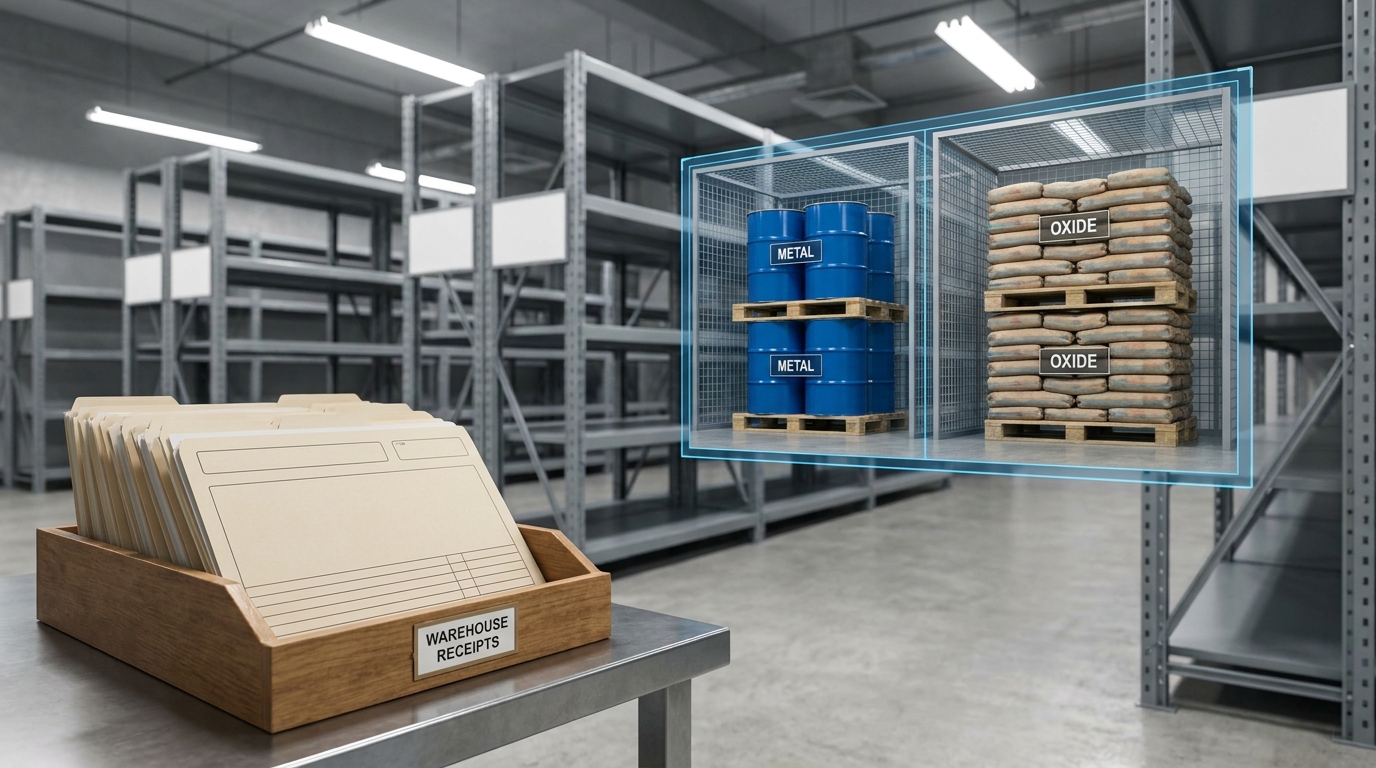
Oxide versus metal: the first decision point
For most custody structures, oxide is the more common form. Separated oxides sit upstream in the industrial chain and are generally easier to document by element, grade, and package. Oxide lots can be warehoused in drums or other sealed industrial packaging, and their quality can be assessed through standard analytical reports. In market language, the phrase “buy rare earth oxide” usually points to this kind of transaction: acquisition of a defined oxide lot rather than a generalized claim on rare earth exposure.
Metal behaves differently. Conversion from oxide into metal introduces another processing step, greater handling sensitivity, and a narrower buyer base. In practical custody work, rare earth metals often come with more exacting storage conditions and a stronger link to specialist downstream users such as alloy or magnet producers. That makes metal relevant in some industrial situations, but it also means that physical metal is often less straightforward as a warehoused title asset.
One observed pattern is that oxide tends to preserve commercial optionality better than metal when the holder is outside a tightly integrated manufacturing chain. A second pattern is that documents for metal are often less informative than the holder first expects, especially when the file relies on a broad product description without detailed chemistry or handling history.
Purity bands: why 99.5%, 99.9%, and 99.99% are not interchangeable
Headline purity is one of the first numbers shown in a rare earth file, but it is not the whole quality story. As a general market observation, 99.5% may be acceptable for certain industrial uses and stockpile-style holdings where the point is material exposure rather than an ultra-high-spec feedstock. A 99.9% grade is often closer to the commercial baseline expected for separated oxides. A 99.99% grade generally appears where lower contamination and tighter downstream conversion requirements matter more, particularly in specialty applications.
The commercial implication is not simply that higher purity is “better.” The relevant issue is fitness for the next industrial step. Two lots each labeled 99.9% can have different impurity profiles measured in ppm, and those impurity differences can change acceptability for magnet, catalyst, optical, or specialty uses. In practice, one of the most important discovery moments comes when a holder realizes that the certificate headline does not answer the impurity question. The trace contaminants often determine whether a lot flows smoothly through a refiner or requires re-qualification.
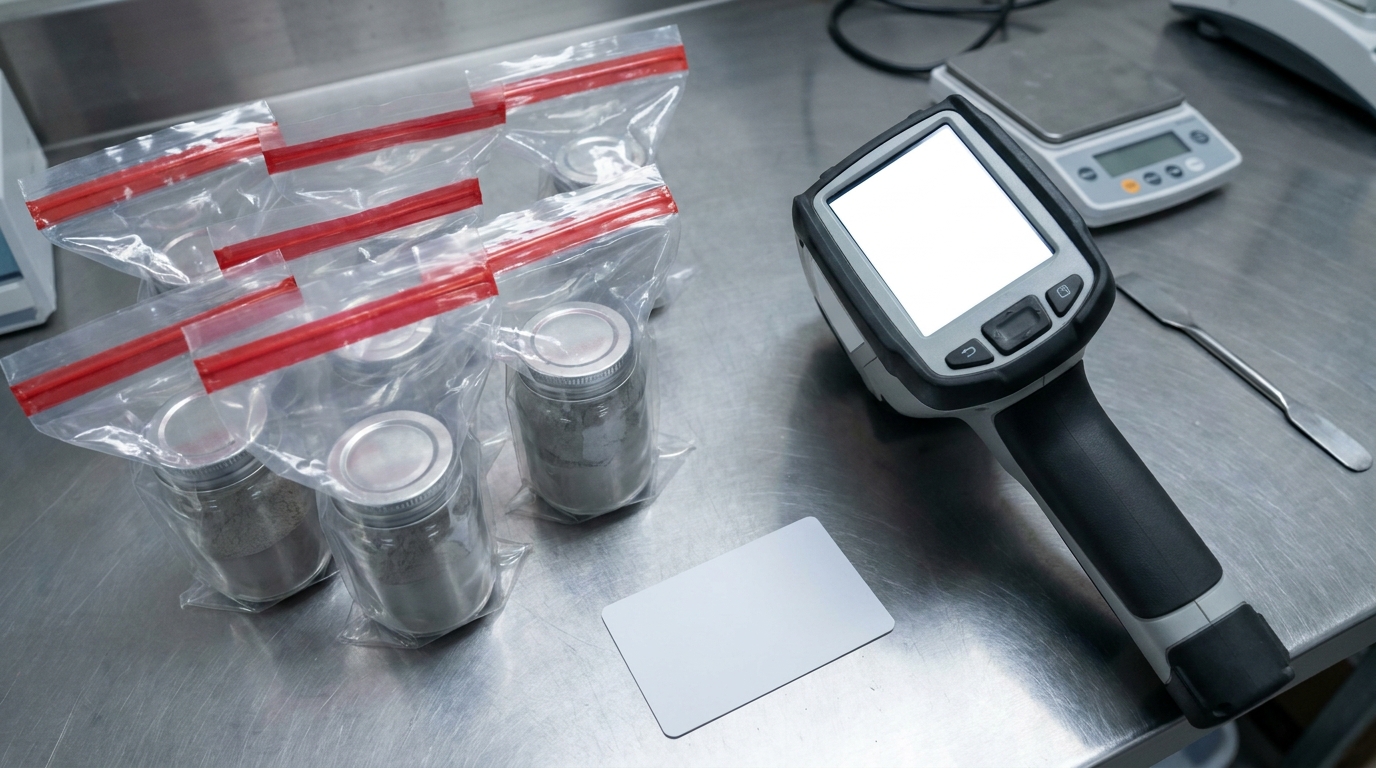
For separated oxides, the analytical file commonly carries more practical weight than the headline purity figure alone. Typical points of review include assay method, date of analysis, laboratory identity, lot linkage, moisture status where relevant, and whether the sample record clearly traces back to the stored package.
What allocated rare earth storage actually means
Allocated storage means the holder has title to identified material, not a generalized participation in pooled stock. In a credible “allocated rare earth” arrangement, the file shows a defined product, a defined quantity, a defined storage location, and a defined ownership record that maps to the warehouse’s own inventory system. The critical point is traceability between documents and physical packages.
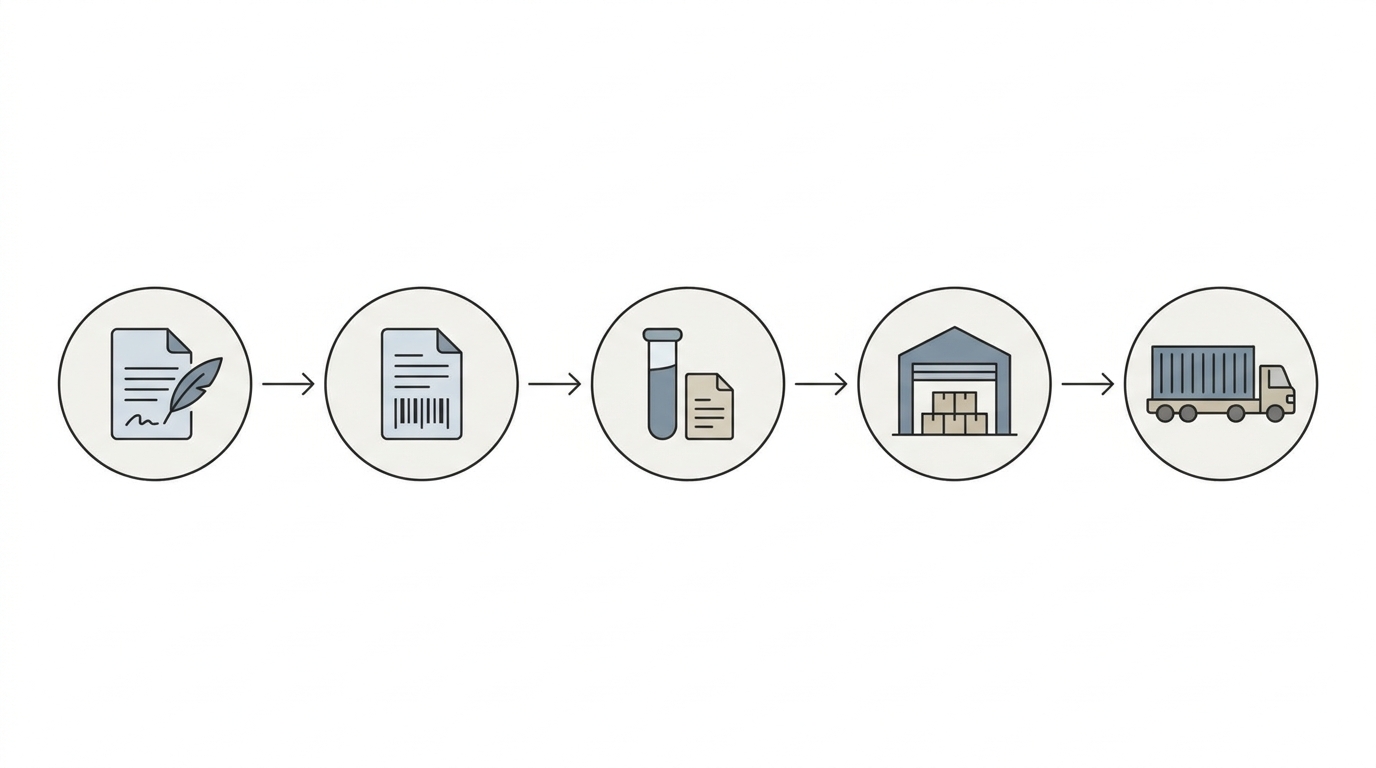
- Product description by element and chemical form, such as neodymium oxide rather than a generic “rare earth product” label.
- Net weight, package count, and lot or batch identifier.
- Warehouse entry record or equivalent internal custody record.
- Certificate of analysis linked to the stored lot.
- Warehouse receipt or similar title evidence naming the holder or nominee.
- Insurance and loss-allocation records within the storage framework.
- Release history, if any, including re-packaging, movement, or sampling events.
A notable failure mode observed in practice is the gap between the word “allocated” and the actual warehouse mapping. Sometimes the holder receives a statement showing an allocated balance, yet the receipt does not map cleanly to sealed drums or a unique lot number. In those cases, title may still exist contractually, but operational certainty around the exact inventory can weaken.
Warehouse receipts: what they prove and what they do not prove
Warehouse receipts sit at the center of rare earth custody because they create evidentiary linkage between inventory and holder. A strong receipt commonly identifies the warehouse operator, location, product description, quantity, issue date, and the named owner or nominee. In established commodity jurisdictions, these documents often support auditability and transfer of title records inside a recognized storage system.
At the same time, the receipt does not settle every risk. It does not automatically prove that the chemistry matches the expected downstream application. It does not eliminate sanctions or origin screening issues. It does not guarantee immediate release if export paperwork, sampling requirements, or compliance reviews remain open. It also does not remove jurisdictional complexity if warehouse law, insolvency treatment, or beneficial ownership records are ambiguous.
In practice, custody files tend to be strongest in storage environments familiar to commodity operators, including bonded or free-trade facilities in jurisdictions with clear warehouse practice and reliable records. Discussions in the market often center on hubs such as Singapore, Rotterdam, Swiss custody structures, or other established re-export locations because documentary control and industrial logistics are better understood there than in ad hoc offshore arrangements.
Failure modes that tend to surface late
Rare earth custody reviews often become difficult not because the material is absent, but because the file is incomplete in subtle ways. Several late-stage failure modes appear repeatedly. One is generic product naming, where a warehouse statement says “rare earth oxide” without specifying the element, grade, or lot. Another is stale or poorly linked assay data, especially where the sample record cannot be tied to the stored package. A third is re-packaging without documentary continuity, which can break the confidence that industrial buyers place in chain-of-custody records.
Compliance can also become a hidden bottleneck. Origin, export control, sanctions screening, and anti-money-laundering checks sit alongside the chemistry and custody questions. A lot stored in a secure facility may still face release friction if beneficial ownership records, source documentation, or customs classifications are incomplete. In rare earths, origin sensitivity can matter because industrial buyers sometimes evaluate provenance and processing route as part of acceptability, not just as a legal formality.
How exit usually works: refiner network rather than public market
Exit is one of the most misunderstood parts of the structure. Physical rare earth holdings generally do not move through a deep public exchange with standardized liquidity. More often, the material leaves storage through a refiner network, a specialist trader, or a direct industrial buyer that recognizes the product specification and trusts the custody record. In that sense, exit is not merely a sale event; it is a re-entry into a technical industrial chain.
The practical determinants of exitability are usually straightforward: accepted assay, usable purity band, intact packaging, clear title, compliance-ready provenance, and warehouse release procedures that do not introduce uncertainty. When any one of those variables weakens, the buyer universe can narrow sharply. Another recurring discovery in practice is that a perfectly real oxide lot can still be commercially awkward if the paperwork does not match the expectations of the next processor.
Framework for analyzing a custody file
- Material identity: element, oxide versus metal form, separated versus mixed product, and packaging integrity.
- Quality evidence: purity band, impurity table in ppm, assay method, laboratory source, and lot linkage.
- Title integrity: named owner, beneficial owner mapping, lien status where disclosed, and warehouse record consistency.
- Storage controls: facility type, bonded or free-trade status, inventory reconciliation, environmental protection, and insurance framework.
- Compliance path: origin records, customs classification, sanctions checks, AML documentation, and release approvals.
- Exit realism: refiner-network acceptance, industrial fit, re-qualification risk, and documentary completeness at the point of release.
Taken together, these factors explain how allocated storage actually works in rare earths. The subject is less about abstract exposure and more about whether a defined industrial material can be traced, held, released, and accepted by the next commercial counterparty. That is why oxide versus metal, purity from 99.5% to 99.99%, warehouse receipts, and exit through a refiner network all belong in the same analytical frame.
Leave a Reply